

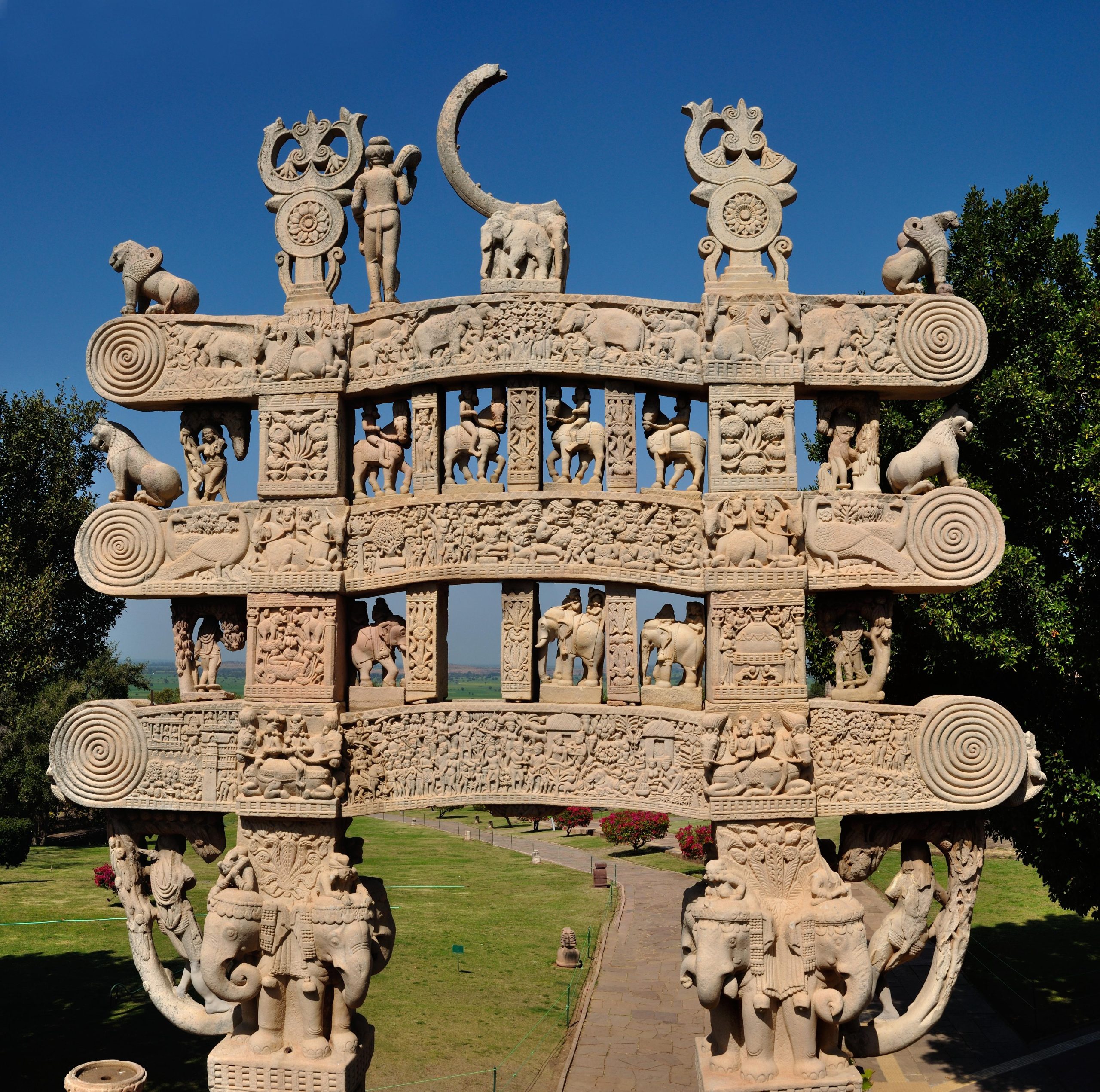
In an age where yoga studios adorn every corner of the globe and the practice is as common as morning coffee, the ancient roots of yoga often remain shrouded in mystery. While many embrace its physical and mental benefits, few delve into the rich tapestry of history that cradles this timeless discipline. As yoga continues to transcend borders and cultures, a compelling question arises: is it essential to study Indian history to truly appreciate yoga? This article seeks to explore this intersection of past and present, offering a balanced perspective on whether understanding the historical and cultural context of yoga enhances its practice and appreciation in today’s world. Join us on a journey through time, as we unravel the threads of history that may or may not be necessary to fully grasp the essence of yoga.
Exploring the Roots of Yoga Through Indian History
Yoga, a practice that has transcended boundaries and cultures, finds its origins deeply embedded in the rich tapestry of Indian history. Delving into the past, we uncover a world where ancient sages and scholars laid the groundwork for what we now recognize as yoga. Understanding the historical context of yoga offers a profound insight into its evolution, connecting modern practitioners to the spiritual and philosophical roots that have shaped its journey.
- Vedic Period: The earliest mentions of yoga can be found in the sacred texts of the Vedas, where it was primarily a spiritual discipline.
- Upanishads and Bhagavad Gita: These texts introduced concepts like meditation and the idea of a higher self, paving the way for a more structured approach to yoga.
- Classical Era: Patanjali’s Yoga Sutras compiled the practices and philosophies into a coherent system, emphasizing the eightfold path of Ashtanga Yoga.
- Medieval Period: The development of Hatha Yoga brought a focus on physical postures, making yoga more accessible to the masses.
By exploring these historical milestones, one gains a deeper appreciation for the diverse dimensions of yoga, beyond the physical postures often emphasized today. While not essential, studying Indian history enriches the understanding of yoga’s true essence, offering a holistic view that embraces its spiritual, mental, and physical aspects.
Understanding Cultural Significance in Yoga Practice
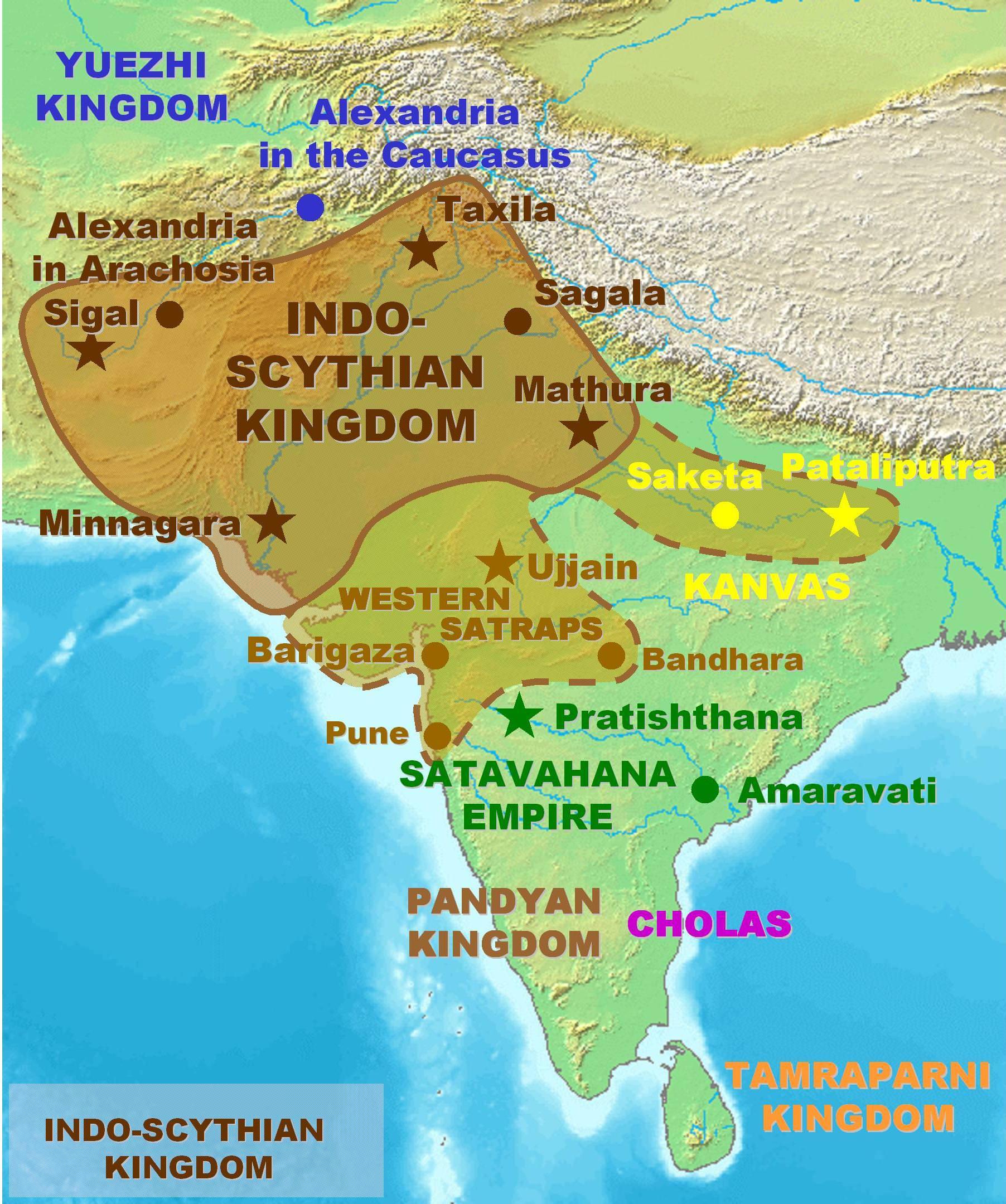
Engaging with yoga is more than mastering poses; it is an invitation to immerse oneself in a tapestry woven from thousands of years of history and culture. While it is not absolutely necessary to delve into Indian history to practice yoga, understanding its cultural significance can enrich the experience. The practice of yoga, originating from ancient India, is deeply rooted in spiritual and philosophical traditions that have shaped its evolution over centuries. Exploring these elements can provide insights into the profound intentions behind the practice, such as achieving balance, harmony, and inner peace.
- Spiritual Philosophy: Yoga’s connection to Hinduism, Buddhism, and Jainism offers a glimpse into diverse spiritual practices and beliefs.
- Historical Context: The evolution of yoga through different eras, including the Vedic and Classical periods, highlights its adaptation and resilience.
- Cultural Practices: Rituals, chants, and meditations that accompany yoga sessions can be better appreciated with knowledge of their origins.
By appreciating the cultural dimensions of yoga, practitioners may find a deeper connection to its essence, fostering a more holistic and mindful practice. While not a prerequisite, this understanding can transform yoga from a mere physical exercise into a journey of cultural and spiritual exploration.

Bridging Historical Context with Modern Yoga Experience
Understanding the historical roots of yoga enriches the modern practice by providing depth and context. While one can enjoy yoga without delving into its past, exploring its history offers insight into its transformation over centuries. This journey from ancient India to global studios today reveals how yoga has been shaped by cultural exchanges and philosophical evolution.
- Cultural Significance: Acknowledging yoga’s origins in India fosters respect for its cultural and spiritual heritage.
- Philosophical Depth: Studying ancient texts like the Yoga Sutras can deepen one’s understanding of the principles guiding yoga.
- Historical Evolution: Learning about yoga’s adaptation through different eras highlights its resilience and relevance.
For those passionate about yoga, delving into its historical narrative can be an enlightening experience. It allows practitioners to connect more profoundly with the practice, appreciating not just the physical postures, but also the philosophical wisdom that has endured through time.

Recommendations for Integrating Historical Awareness in Yoga Learning
To foster a deeper connection between yoga practice and its rich cultural origins, integrating historical awareness into yoga learning can be both enlightening and enriching. Here are some creative ways to weave historical insights into your yoga journey:
- Incorporate Storytelling: Share tales of ancient yogis and sages during classes to offer students a glimpse into the spiritual and philosophical roots of yoga. These stories can serve as a bridge, connecting the physical practice with its historical context.
- Highlight Key Texts: Introduce excerpts from influential texts such as the Yoga Sutras of Patanjali or the Bhagavad Gita. Discussing these texts can open a dialogue about the evolution of yoga philosophy over the centuries.
- Explore Cultural Practices: Encourage students to participate in or learn about traditional Indian practices, such as meditation or Ayurveda, which have historically complemented yoga. This holistic approach can provide a fuller understanding of the yoga lifestyle.
- Invite Experts: Host workshops or guest lectures by historians or Indian culture experts to offer deeper insights and answer questions about yoga’s historical journey and its contemporary relevance.
By embracing these methods, practitioners can cultivate a more profound appreciation for yoga that transcends the physical postures, connecting them with the timeless wisdom of its Indian heritage.