


In the quiet corners of bustling yoga studios and serene outdoor retreats, practitioners of hatha yoga often find themselves on a journey that transcends the physical postures. Beneath the surface of this ancient practice lies a rich tapestry of philosophical thought, woven through centuries and cultures, that invites deeper reflection and understanding. As we delve into the philosophical roots of hatha yoga, we uncover a world where the physical and metaphysical intertwine, offering insights not only into the practice itself but also into the broader quest for balance, self-discovery, and enlightenment. This exploration seeks to illuminate the foundational philosophies that have shaped hatha yoga, revealing a path that is as much about the mind and spirit as it is about the body. Join us as we navigate this intricate landscape, where tradition meets introspection, and ancient wisdom finds relevance in our modern lives.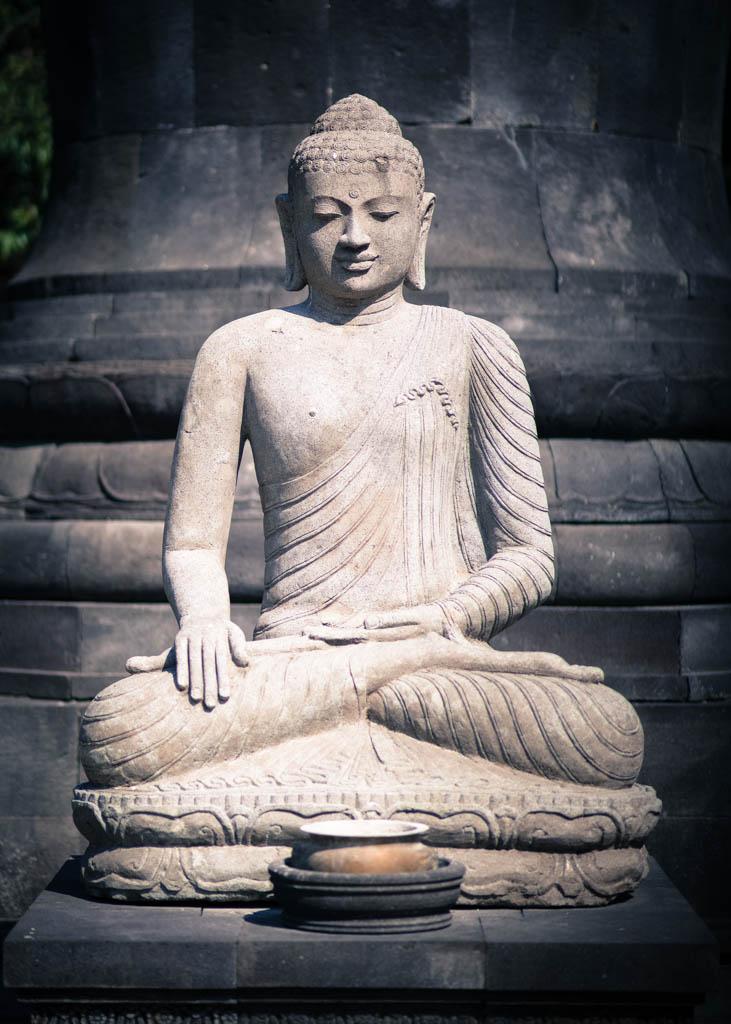 Hatha Yoga“>
Unveiling Ancient Wisdom: The Origins of Hatha Yoga
The rich tapestry of Hatha Yoga is woven with threads of ancient wisdom, intertwining the spiritual and the physical. Originating in the early centuries of the first millennium, this profound practice draws from the sacred texts of Hinduism and Buddhism. Hatha, a Sanskrit word meaning “force,” emphasizes the balance of opposing forces, symbolized by the sun (ha) and the moon (tha). It is this equilibrium that guides practitioners toward achieving harmony between body, mind, and spirit.
- Tantric Influence: Rooted in Tantric traditions, Hatha Yoga integrates physical postures with meditative practices to transcend the mundane and connect with the divine.
- Key Texts: The “Hatha Yoga Pradipika,” composed in the 15th century, is one of the seminal texts detailing the techniques and philosophy of Hatha Yoga.
- Philosophical Foundations: It encompasses the six limbs, including asana (posture) and pranayama (breath control), as pathways to spiritual enlightenment.
Through its exploration of physical and metaphysical realms, Hatha Yoga offers a transformative journey that transcends time, inviting practitioners to discover their true selves amidst the chaos of the modern world.
Journey Through Time: Philosophical Foundations of Hatha Practice
Hatha yoga, a practice revered for its physical and spiritual benefits, is deeply rooted in philosophical traditions that have shaped its evolution over centuries. Emerging from the ancient teachings of India, hatha yoga draws upon a blend of Sankhya, Vedanta, and Tantric philosophies, each contributing unique perspectives to the practice. These philosophies offer insights into the nature of reality, the self, and the universe, providing a framework that guides practitioners toward self-realization and harmony.
Key philosophical elements include:
- Sankhya Philosophy: Emphasizes dualism between consciousness (Purusha) and matter (Prakriti), offering a lens to understand the interplay of body and mind.
- Vedanta: Focuses on the non-dualistic approach, suggesting that individual self (Atman) and universal consciousness (Brahman) are one, encouraging unity and interconnectedness.
- Tantric Traditions: Introduce the concept of energy centers (chakras) and channels (nadis), emphasizing the transformative power of energy within the body.
These philosophical underpinnings not only enrich the practice of hatha yoga but also inspire a journey inward, promoting a balanced and enlightened way of living.

Embodying Balance: Integrating Philosophy into Modern Hatha Yoga
In the serene dance of Hatha Yoga, practitioners often find themselves on a quest not just for physical flexibility, but for a deeper connection to the philosophical essence that roots this ancient practice. At its core, Hatha Yoga is more than just a series of postures; it is a spiritual journey that seeks harmony between the body and mind. The practice is deeply intertwined with ancient Indian philosophies, such as Sankhya, Vedanta, and Tantra, each offering unique perspectives on the nature of existence and consciousness. These philosophies invite practitioners to embrace the dualities of life—strength and softness, effort and surrender—cultivating a profound sense of balance.
By integrating these philosophical elements into modern practice, yogis can transcend the physical and explore the subtle energies within. This approach encourages a mindful awareness, where the breath becomes a bridge between the physical and the spiritual realms. Consider the following principles to weave philosophical insights into your Hatha Yoga practice:
- Mindful Awareness: Embrace the present moment, focusing on the rhythm of your breath and the sensations in your body.
- Balance of Opposites: Cultivate a harmony between effort and ease, strength and surrender in each pose.
- Inner Reflection: Use your practice as a mirror to explore your inner landscape, observing thoughts and emotions without judgment.
Incorporating these elements can transform Hatha Yoga into a holistic practice that not only enhances physical well-being but also nurtures the soul’s journey towards enlightenment.
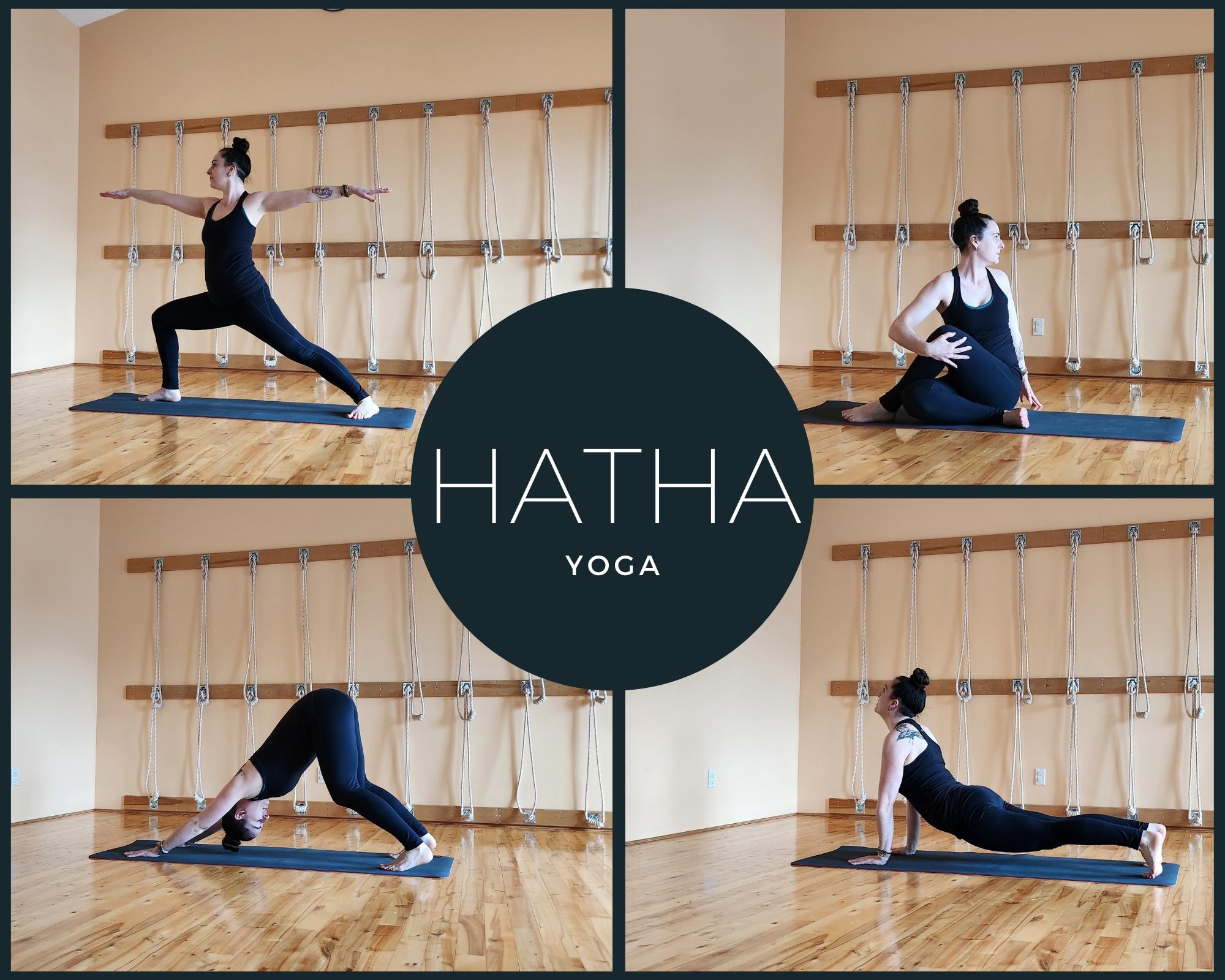
Guiding Principles: Recommendations for Deepening Your Hatha Experience
To truly deepen your connection with Hatha Yoga, it’s essential to immerse yourself in its rich philosophical tapestry. Cultivate mindfulness during each session by focusing on your breath and the sensations in your body. This mindful awareness not only enhances your practice but also aligns with the yogic principle of living in the present moment.
- Embrace Patience: Progress in Hatha Yoga is gradual. Allow yourself the time to grow, acknowledging that each posture and breath brings you closer to a deeper understanding.
- Seek Balance: Harmonize the dualities within your practice, such as effort and ease, strength and flexibility, to reflect the Hatha philosophy of uniting opposites.
- Study the Texts: Delve into the ancient scriptures like the Hatha Yoga Pradipika to gain insights into the origins and intentions behind the practices.
By integrating these principles into your practice, you honor the roots of Hatha Yoga and create a transformative experience that extends beyond the mat.