


In the serene world of yoga, where the mind seeks tranquility and the body strives for balance, the question of diet often emerges as a pivotal point of contemplation. Among the myriad dietary philosophies, the debate over processed foods is particularly polarizing. Should yogis, who dedicate themselves to the pursuit of holistic well-being, avoid processed foods entirely, or is there room for flexibility within their culinary choices? This article delves into the intricate relationship between yoga and diet, exploring whether the avoidance of processed foods is a necessary tenet of yogic living or an ideal that can be adapted to modern lifestyles. By examining both the spiritual and nutritional dimensions, we aim to provide a balanced perspective on this contemporary dietary dilemma.
Exploring the Nutritional Landscape of Processed Foods
In the journey towards a mindful and balanced lifestyle, the role of processed foods often sparks debate. While some processed foods are laden with additives and artificial ingredients, not all of them are created equal. It’s crucial to navigate this complex landscape with awareness and discernment, especially for those dedicated to a yogic lifestyle. Processed foods can range from minimally processed items like pre-washed salads and frozen fruits, which retain much of their nutritional value, to heavily processed snacks that may contribute to an imbalanced diet.
- Convenience: For busy individuals, certain processed foods offer a quick and easy way to maintain energy levels without sacrificing time.
- Fortification: Many processed foods are enriched with essential vitamins and minerals, providing a nutritional boost that might otherwise be lacking.
- Moderation is Key: Incorporating a mix of whole and processed foods can support a balanced diet without feeling deprived.
Ultimately, the choice of whether to include processed foods should align with one’s personal health goals and lifestyle. By focusing on mindful consumption and reading labels, yogis can make informed decisions that harmonize with their practice and nutritional needs.

Understanding the Impact on Mind-Body Balance
For yogis, achieving a harmonious mind-body connection is often a primary goal, and diet plays a crucial role in this balance. The consumption of processed foods can have varying effects on this delicate equilibrium. These foods are typically high in preservatives, additives, and artificial ingredients, which can lead to inflammation and disrupt the body’s natural rhythms. Furthermore, the lack of essential nutrients in processed options can leave the body craving more, creating a cycle that may hinder mental clarity and physical well-being.
- Preservatives can lead to inflammation.
- Additives may disrupt natural body rhythms.
- Artificial ingredients often lack essential nutrients.
On the other hand, some yogis argue that moderation and mindful consumption can mitigate these negative effects. By being conscious of their choices and understanding the ingredients in their meals, they believe it’s possible to enjoy occasional processed treats without compromising their practice. Ultimately, the impact of processed foods on mind-body balance is a personal journey, requiring individual awareness and adjustment.
Balancing Convenience with Conscious Choices
In the modern world, where convenience often reigns supreme, the challenge for yogis is to find a harmonious balance between practicality and mindfulness. Processed foods, with their alluring ease and accessibility, can sometimes tempt even the most dedicated practitioner. However, embracing a more conscious approach doesn’t necessarily mean a complete renunciation of these options. Instead, it calls for a thoughtful consideration of what and how we consume.
Yogis can make more informed choices by:
- Reading Labels: Opt for products with fewer ingredients and recognizable names.
- Prioritizing Quality: When choosing processed foods, look for organic or non-GMO options.
- Mindful Consumption: Practice moderation and savor each bite, acknowledging its source and journey.
Embracing these practices allows yogis to navigate the realm of processed foods with awareness, ensuring that their dietary choices align with their holistic lifestyle.
Crafting a Yogi-Friendly Diet Plan
When designing a diet plan that aligns with a yogic lifestyle, it’s essential to consider the impact of processed foods on the body and mind. While some yogis advocate for the complete elimination of processed foods, others find a balanced approach more sustainable. The key is to focus on foods that nourish the body and support your practice. Here are some considerations to keep in mind:
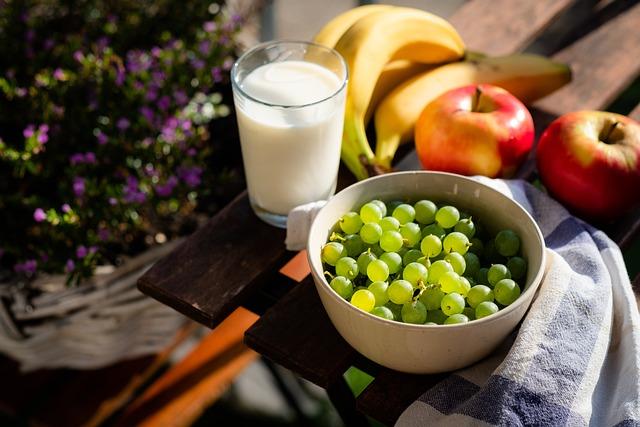
- Whole Foods Focus: Emphasize fresh fruits, vegetables, whole grains, nuts, and seeds, which provide essential nutrients and energy.
- Mindful Eating: Practice awareness by choosing foods that are minimally processed and prepared with intention.
- Quality over Quantity: When incorporating processed items, opt for high-quality options with minimal additives and preservatives.
Incorporating these principles can help create a harmonious balance between the demands of modern living and the holistic principles of yoga. Ultimately, the goal is to cultivate a diet that supports your physical, mental, and spiritual well-being.
In Conclusion
As we conclude this exploration of whether yogis should steer clear of processed foods entirely, it becomes evident that the answer is as complex and nuanced as the practice of yoga itself. Just as each pose is adjusted to fit the individual, so too should dietary choices be tailored to one’s personal needs and lifestyle. While the wisdom of minimizing processed foods aligns with the yogic principles of purity and mindfulness, it’s essential to remember that balance and flexibility are at the heart of both yoga and nutrition. Ultimately, the path to well-being is a personal journey, and each yogi must find their own equilibrium between indulgence and restraint. As you roll up your mat and step off the mat into the world, carry with you the awareness that every choice is an opportunity to align with your highest self, whether it’s in the form of a perfectly ripe apple or a thoughtfully chosen treat. Namaste.