

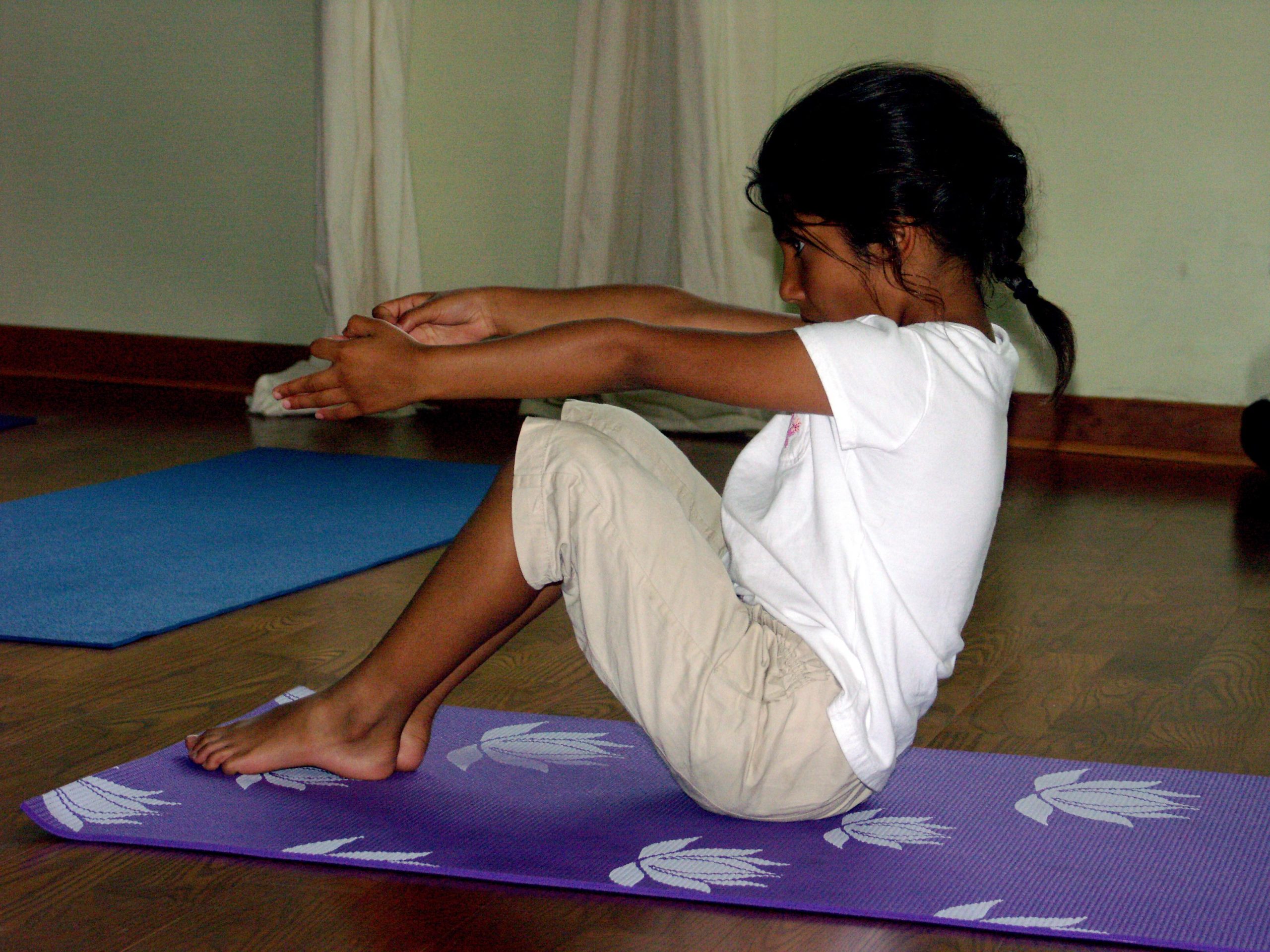
In the gentle embrace of twilight, as the sun dips below the horizon and paints the sky with hues of amber and violet, a tranquil ritual awaits to guide young minds into the realm of dreams. In a world bustling with energy and endless activity, children often find it challenging to transition from the vibrancy of day to the serenity of night. Here, amidst the soft whispers of evening, yoga emerges as a soothing balm, a gentle pathway leading to restfulness. This ancient practice, with its blend of mindful movement and calming breath, offers a collection of routines designed specifically to help kids wind down before bedtime. Join us as we explore these enchanting yoga sequences, each crafted to nurture relaxation, foster mindfulness, and usher in a peaceful night’s sleep.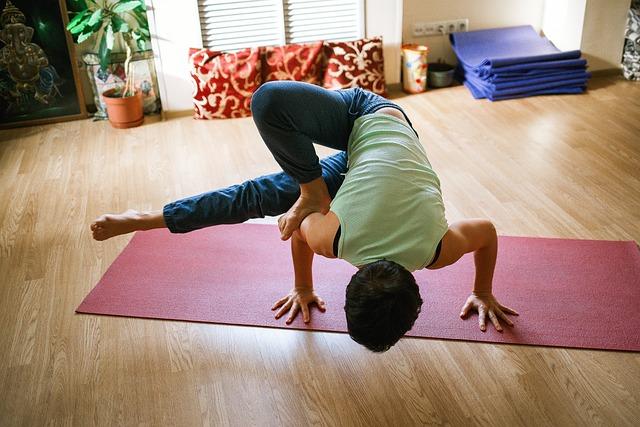
Gentle Poses to Soothe Little Minds
As bedtime approaches, creating a calming routine can help children transition smoothly from a day full of activities to a restful night’s sleep. Incorporating gentle yoga poses into their evening can provide not only physical relaxation but also mental tranquility. These poses are designed to be simple and soothing, allowing kids to focus on their breath and unwind.
- Child’s Pose (Balasana): Encourage children to kneel on the floor, sit back on their heels, and stretch their arms forward. This pose is excellent for promoting a sense of security and calmness.
- Cat-Cow Stretch: Starting on all fours, guide kids to alternate between arching their back like a cat and dropping their belly like a cow. This gentle flow helps release tension and promotes a soothing rhythm.
- Butterfly Pose (Baddha Konasana): Have the little ones sit with the soles of their feet together, gently flapping their legs like butterfly wings. This pose can be both playful and relaxing, helping to ease any remaining energy.
These mindful movements can be accompanied by soft music or bedtime stories, creating a serene environment that encourages little minds to drift peacefully into dreamland.
Creating a Calming Atmosphere for Evening Yoga
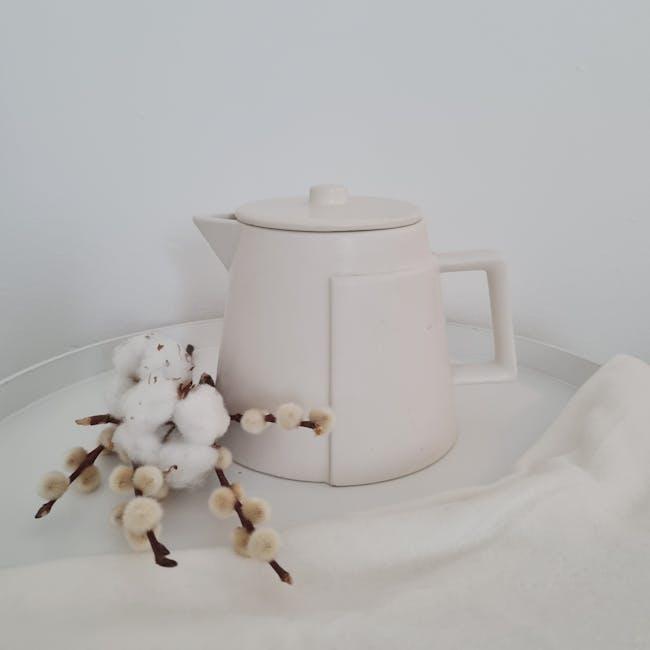
To set the stage for a peaceful evening yoga session, it’s essential to transform the space into a sanctuary of calmness and tranquility. Start by dimming the lights or using soft, warm lighting such as fairy lights or Himalayan salt lamps. Consider playing soothing background music or nature sounds like ocean waves or gentle rain to create a serene auditory backdrop.
- Use aromatherapy: Light a lavender or chamomile scented candle, or diffuse calming essential oils to infuse the air with relaxation.
- Clear the space: Remove clutter to promote a sense of openness and peace. A tidy environment helps to focus the mind and body.
- Incorporate nature: Add a few indoor plants or flowers to bring a touch of nature indoors, which can have a grounding effect.
- Comfortable mats and blankets: Ensure that yoga mats are plush and inviting, and have a few soft blankets on hand for added comfort during relaxation poses.
By creating a calming atmosphere, children can feel more at ease, allowing them to connect with their breath and movement, paving the way for a restful night’s sleep.
Incorporating Breathing Techniques for Better Sleep
Incorporating simple breathing techniques into your child’s bedtime routine can significantly enhance their ability to relax and transition into a peaceful sleep. These practices not only calm the mind but also signal the body that it’s time to rest. Here are a few techniques to try:
- Balloon Breathing: Encourage your child to imagine they are inflating a balloon in their belly. Inhale deeply through the nose, filling up the “balloon,” and then slowly exhale through the mouth, letting the “balloon” deflate. This visualization helps focus their attention and eases tension.
- Counting Breaths: Have them lie down comfortably and close their eyes. Instruct them to take a deep breath in and silently count “one,” then exhale fully and count “two.” Continue this pattern up to ten and start over, fostering a sense of rhythm and relaxation.
- Ocean Breath (Ujjayi): Teach your child to breathe in deeply through the nose, then exhale slowly while making a soft “ha” sound with the mouth closed, like the sound of ocean waves. This technique can be soothing and help clear the mind.
Incorporating these breathing exercises into their nightly routine can create a calming prelude to sleep, making bedtime a more serene experience for both you and your child.
Guided Imagery to Foster Relaxation in Children
Incorporating guided imagery into a child’s evening routine can transform the winding down process into a magical journey. This technique uses the power of imagination to transport children to calming and serene places, helping them to relax and prepare for a restful night’s sleep. The beauty of guided imagery is that it can be tailored to suit any child’s interests and preferences, making it a versatile tool for parents and caregivers. By engaging their senses, children can explore peaceful beaches, enchanting forests, or even a cozy space among the stars.
- Storytelling: Create a narrative that takes your child on an adventure. For instance, they might float on a cloud, feeling the gentle breeze and warmth of the sun.
- Visualization: Encourage them to picture their favorite animal or place, adding details such as colors, sounds, and textures.
- Breathing Exercises: Integrate deep breathing to enhance the relaxation effect, guiding them to inhale slowly and exhale with ease.
As children engage with these imaginative scenarios, they learn to shift their focus away from the day’s activities and stresses. This practice not only aids in relaxation but also enhances creativity and emotional resilience, making it a wonderful addition to any bedtime routine.