


In the hustle and bustle of teenage life, where academic pressures loom large and expectations run high, finding a moment of tranquility can feel like a distant dream. Yet, nestled within the ancient practice of yoga lies a sanctuary of calm—a refuge for the mind and body amidst the storm of exams and assignments. This article explores the transformative world of teen yoga, a practice that not only nurtures physical well-being but also offers a gentle balm for the academic stress that so often weighs heavily on young shoulders. Join us as we delve into the poses, breathing techniques, and mindful practices that empower teens to navigate their educational journey with grace and resilience.
Finding Balance Amid Books: The Role of Yoga in Stress Management
Amid the whirlwind of assignments, exams, and extracurricular activities, teens often find themselves overwhelmed by academic pressures. Incorporating yoga into daily routines can serve as a sanctuary of calm and clarity. This ancient practice not only promotes physical well-being but also nurtures mental resilience, making it a powerful ally in stress management.
- Mindful Breathing: Techniques such as Pranayama can help regulate emotions, offering a moment of peace and focus amidst the chaos.
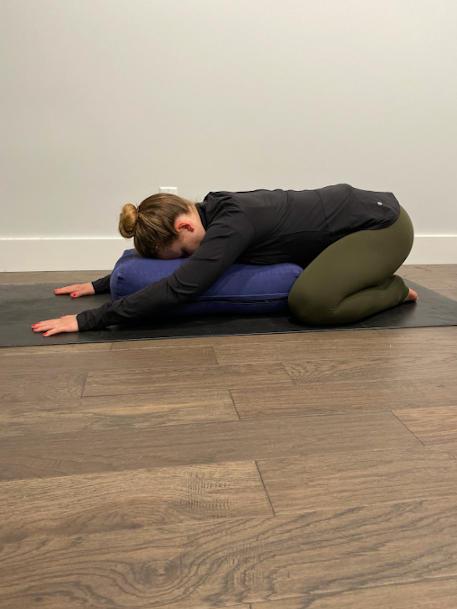
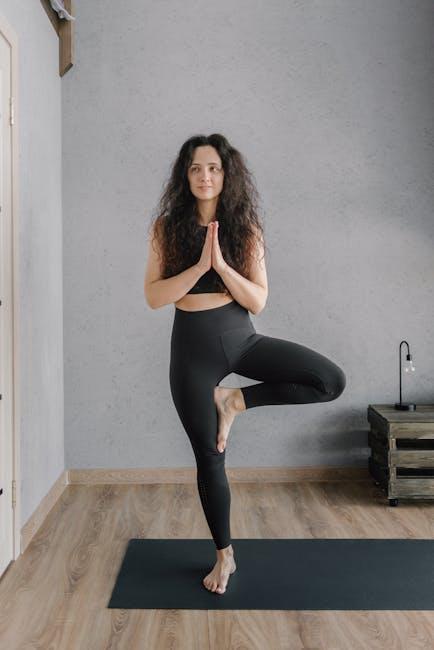
- Gentle Asanas: Poses like the Child’s Pose and Tree Pose encourage relaxation and balance, providing a gentle way to unwind.
- Meditation: Regular meditation sessions can enhance concentration and reduce anxiety, fostering a serene mindset.
By integrating these elements into their daily schedules, teens can cultivate a holistic approach to managing stress, ultimately achieving a harmonious balance between their academic pursuits and personal well-being.
From Classroom to Calm: Effective Yoga Techniques for Teens
In the whirlwind of exams, assignments, and social pressures, finding a moment of peace can seem impossible for teens. Yoga, however, offers a sanctuary of calm amidst the chaos. By incorporating specific practices into their routine, teens can cultivate a sense of tranquility and focus that extends beyond the mat. Here are some effective yoga techniques to help relieve academic stress:
- Child’s Pose (Balasana): A simple yet profound posture that encourages relaxation. This pose gently stretches the hips, thighs, and ankles, promoting a sense of security and calm.
- Tree Pose (Vrksasana): This balancing posture helps improve concentration and mental clarity. By focusing on maintaining stability, teens can learn to center their thoughts and reduce anxiety.
- Cat-Cow Stretch (Marjaryasana-Bitilasana): A dynamic sequence that helps alleviate tension in the spine. It synchronizes breath with movement, fostering a connection between mind and body.
- Breath Awareness (Pranayama): Encouraging deep, mindful breathing can significantly reduce stress levels. Techniques such as Nadi Shodhana (alternate nostril breathing) help calm the nervous system and enhance focus.
Incorporating these techniques into a regular routine can transform stress into serenity, providing teens with the tools to navigate their academic journey with ease and resilience.
Inhale Confidence, Exhale Worries: Breathing Exercises to Soothe Academic Anxiety
Breathing exercises are a simple yet powerful way to manage stress and bring a sense of calm to a busy mind. By focusing on your breath, you can anchor yourself in the present moment, easing the pressure of academic demands. Here are a few techniques that can be easily incorporated into your daily routine:
- 4-7-8 Breathing: Inhale deeply through your nose for a count of four, hold the breath for a count of seven, and then exhale slowly through your mouth for a count of eight. This method helps to reduce tension and improve focus.
- Belly Breathing: Place one hand on your chest and the other on your stomach. Breathe in deeply through your nose, allowing your diaphragm (not your chest) to inflate with air. This technique promotes a deeper state of relaxation and enhances concentration.
- Box Breathing: Imagine a square in your mind. Inhale for a count of four, hold for four, exhale for four, and hold again for four. This exercise is perfect for grounding and can be practiced anywhere, anytime.
Incorporating these practices into your daily routine not only helps in managing academic stress but also enhances overall well-being. Embrace the power of breath, and let it guide you to a more centered and confident self.
Crafting a Calmer Mind: Integrating Mindfulness into Daily Study Routines
Incorporating mindfulness into your study routine can transform stress into focus and anxiety into tranquility. Begin by setting aside just a few minutes each day to practice mindfulness exercises. These practices can be as simple as focusing on your breath, doing a quick body scan, or even integrating a short meditation session before diving into your textbooks. Over time, these habits can cultivate a sense of calm that carries into your academic life.
- Mindful Breathing: Take deep, slow breaths and focus on the rhythm of your inhalation and exhalation.
- Body Scan: Close your eyes and mentally scan your body from head to toe, acknowledging areas of tension and consciously relaxing them.
- Gratitude Journaling: Spend a few minutes writing down things you’re grateful for, which can shift your mindset to a more positive state.
Integrating these practices can help create a supportive environment for learning, allowing you to manage stress more effectively and improve your overall well-being.