

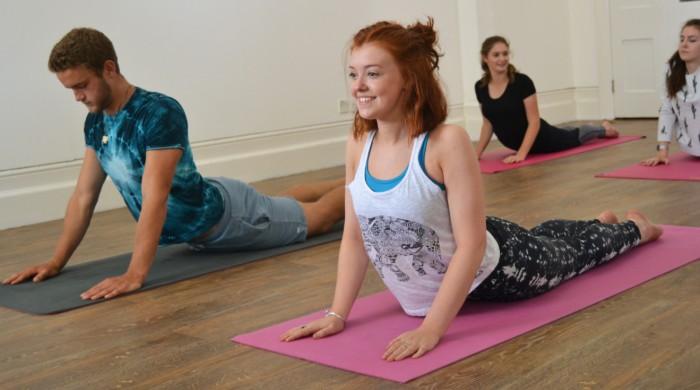
In the bustling world of adolescence, where the whirlwind of academic pressures, social dynamics, and personal growth often collide, finding a moment of tranquility can seem like an elusive dream. Enter yoga—a timeless practice that offers teenagers not only a refuge from the chaos but also a pathway to cultivating lifelong healthy habits. As the mat unfurls, so too does a journey of self-discovery and balance, where the ancient art of yoga seamlessly intertwines with the modern-day challenges faced by today’s youth. In this exploration, we delve into how yoga serves as a cornerstone for building resilience, mindfulness, and physical well-being, empowering teenagers to navigate their formative years with grace and intention.
Cultivating Mindfulness and Focus through Yoga
Incorporating yoga into the daily routines of teenagers offers a sanctuary from the fast-paced world around them, fostering a serene space for the mind to settle and concentrate. This ancient practice serves as a bridge between body and mind, enabling young individuals to cultivate a deeper awareness of their thoughts and emotions. As teens engage in yoga, they begin to hone their ability to focus, a skill that extends beyond the mat and into their academic and personal lives. The practice encourages them to live in the present moment, alleviating stress and promoting a sense of calm that enhances overall well-being.
Through the practice of yoga, teenagers can develop a set of healthy habits that contribute to a balanced lifestyle. Some of the key benefits include:
- Enhanced Concentration: Regular yoga practice helps in sharpening focus and improving attention span.
- Stress Reduction: Breathing exercises and mindful movements reduce anxiety and promote relaxation.
- Emotional Regulation: By tuning into their emotions, teens learn to manage their responses more effectively.
- Physical Health: The various poses improve flexibility, strength, and overall physical health.
By embracing these habits, teenagers are not only enhancing their mental clarity but also building a foundation for lifelong wellness.

Enhancing Emotional Resilience and Stress Management
Yoga offers teenagers a unique blend of physical movement and mental stillness, acting as a powerful tool for nurturing emotional resilience and managing stress. By incorporating breathing techniques, mindfulness practices, and physical postures, yoga helps adolescents cultivate an inner landscape of calmness and focus. This practice encourages a shift from reactive to proactive mindsets, empowering teens to navigate life’s challenges with grace and composure. As they learn to synchronize breath with movement, they build a deeper connection with their bodies and emotions, which can lead to improved self-awareness and emotional intelligence.
- Mindfulness: Encourages present-moment awareness, reducing anxiety and improving concentration.
- Breathing Techniques: Promotes relaxation and reduces the physiological impact of stress.
- Physical Activity: Enhances mood through the release of endorphins and improves physical health.
Engaging in yoga regularly can also foster healthy habits that extend beyond the mat. The discipline and commitment required to maintain a yoga practice teach teens valuable lessons in self-discipline and routine building. As they progress in their practice, they may find themselves more equipped to handle academic pressures, social dynamics, and personal challenges with a balanced and resilient mindset.

Building Physical Strength and Flexibility for a Balanced Life
For teenagers navigating the whirlwind of adolescence, yoga emerges as a profound tool in cultivating both physical strength and flexibility, laying the groundwork for lifelong healthy habits. As they transition from childhood to adulthood, engaging in yoga offers an inclusive, non-competitive environment that encourages self-discovery and personal growth. With poses that range from simple stretches to complex asanas, teens can gradually enhance their muscular strength and increase their range of motion, all while learning to listen to their bodies.
- Enhanced Body Awareness: Yoga teaches teens to understand their bodies better, helping them recognize physical limitations and strengths.
- Improved Posture: Regular practice encourages the development of a strong core, which supports better posture and alignment.
- Increased Flexibility: Gentle stretching exercises improve flexibility, reducing the risk of injuries in other sports and activities.
- Mind-Body Connection: Through mindful breathing and focused attention, yoga helps teens connect their physical movements with mental calmness.
Incorporating yoga into their routines allows teenagers to develop resilience and adaptability, skills that are not only vital in physical endeavors but also in facing life’s challenges. As they stretch their bodies and expand their minds, they foster a balanced approach to health and well-being, setting the stage for a more harmonious lifestyle.

Incorporating Yoga into Daily Routines for Lasting Healthy Habits
Integrating yoga into the daily lives of teenagers can transform their routine into a foundation for lasting healthy habits. Yoga is not merely a physical activity; it is a holistic practice that fosters mindfulness, self-awareness, and emotional resilience. By incorporating yoga, teenagers can experience a profound connection between their body and mind, leading to improved focus and stress management. This daily practice can enhance their academic performance, bolster self-confidence, and nurture a balanced lifestyle.
- Mindfulness: Practicing yoga encourages teens to be present in the moment, helping them to cultivate mindfulness and reduce anxiety.
- Flexibility and Strength: Regular yoga sessions improve physical flexibility and strength, promoting better posture and reducing the risk of injuries.
- Emotional Balance: Yoga helps in managing emotions by teaching techniques for relaxation and emotional regulation.
- Social Connection: Joining a yoga class can foster a sense of community and support among peers.
As teenagers navigate the complexities of adolescence, yoga offers a sanctuary for self-discovery and personal growth. By embedding this practice into their daily routine, they can develop habits that support their overall well-being and set the stage for a healthier future.