

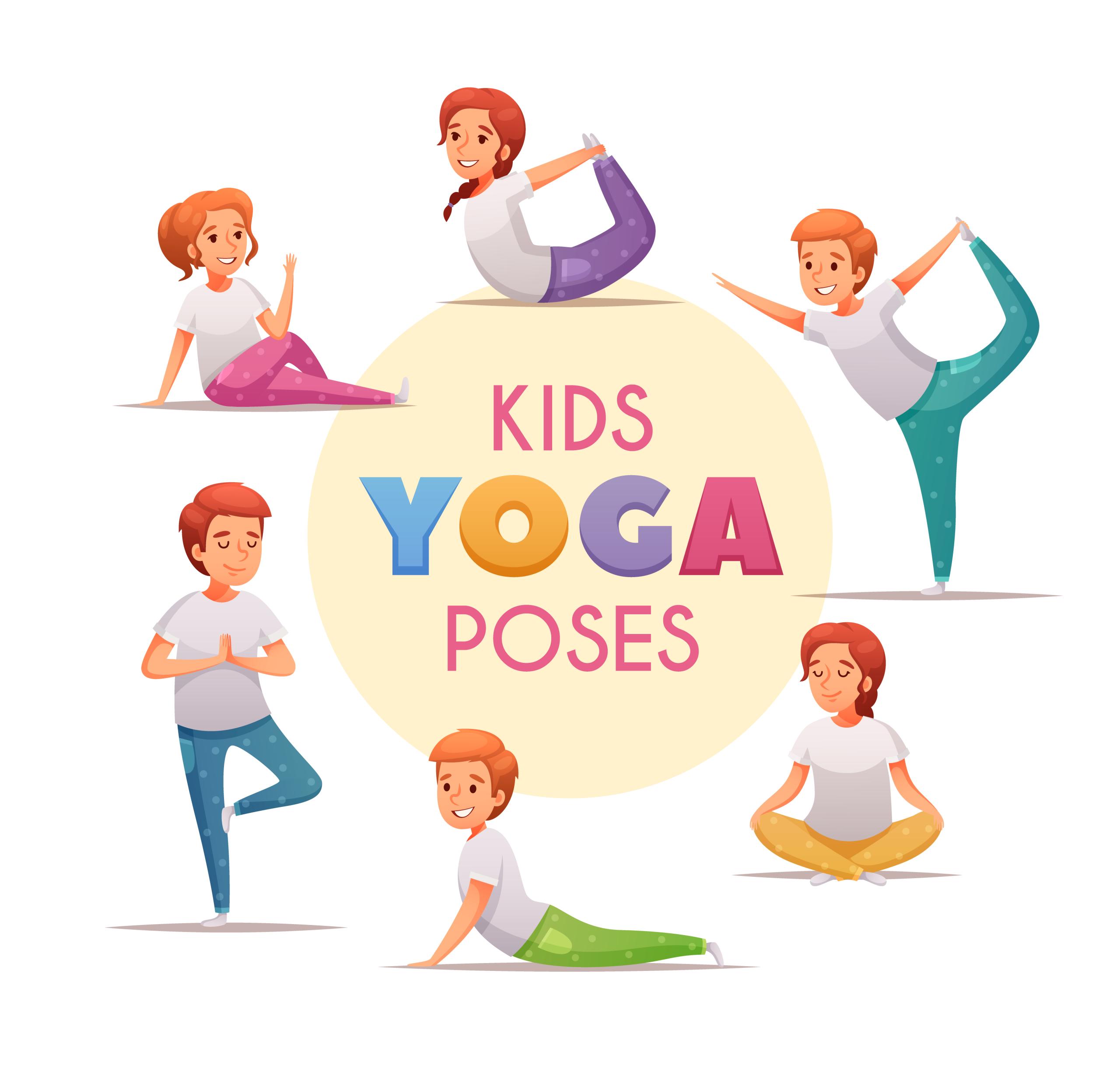
In a world that spins faster each day, where the cacophony of technology and the pressures of growing up seem to grow louder, children are often left to navigate a complex labyrinth of emotions. These “big emotions,” as they are sometimes called, can feel overwhelming and insurmountable to young minds still learning the ropes of emotional intelligence. Enter yoga—a centuries-old practice traditionally associated with tranquility and balance for adults. Yet, as it gracefully extends its reach to younger generations, yoga emerges as a beacon of calm and clarity for children. It offers them tools to not only recognize and understand their emotions but also to embrace and manage them with a newfound sense of empowerment. This article delves into the gentle yet profound ways yoga aids children in understanding their emotional landscapes, transforming potential turmoil into opportunities for growth and self-discovery.
Understanding the Emotional Landscape Through Yoga
Yoga offers a sanctuary where children can explore and express their emotions in a safe and structured way. By engaging in various poses and breathing exercises, kids learn to channel their feelings constructively. Balancing postures, such as the Tree Pose, teach them focus and grounding, helping to alleviate anxiety. Breathing techniques like Lion’s Breath allow for the release of tension and frustration, promoting emotional clarity.
- Mindfulness: Encourages kids to be present, helping them to better understand and manage their feelings.
- Self-awareness: Yoga enhances the ability to recognize emotions without judgment, fostering a positive self-image.
- Resilience: Through challenging poses, children learn perseverance, boosting their emotional resilience.
Incorporating yoga into a child’s routine offers a playful yet profound way to build emotional intelligence, equipping them with tools to navigate the complexities of their inner world with grace and confidence.
Techniques to Foster Emotional Resilience in Children
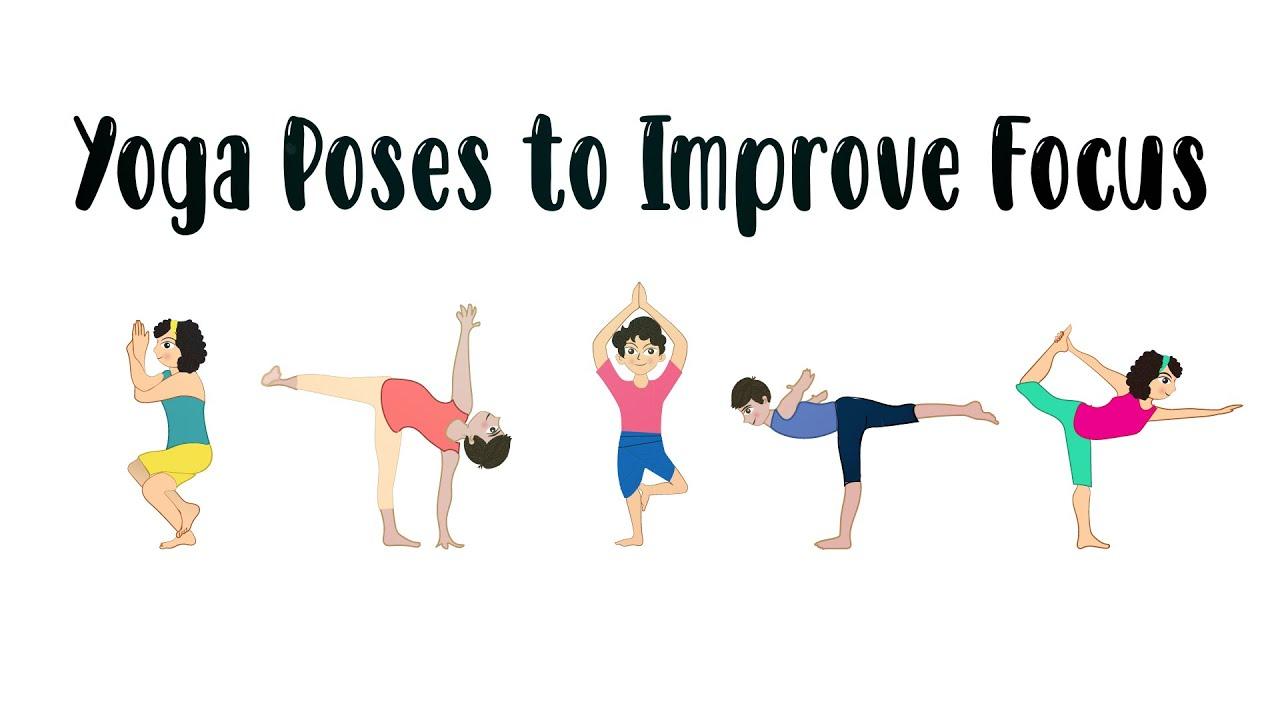
Yoga offers a unique blend of physical activity and mindfulness that can significantly bolster a child’s emotional resilience. Through the practice of yoga, children learn to tune into their bodies and recognize the early signs of stress or anxiety. This awareness is crucial for developing emotional intelligence and self-regulation. Encouraging kids to focus on their breathing, for instance, can help them calm their minds and bodies, allowing them to process emotions more effectively. Moreover, yoga fosters a non-competitive environment, helping children build self-esteem and a sense of inner peace.
- Mindful Breathing: Simple breathing exercises can help children manage stress and remain calm in challenging situations.
- Body Awareness: Yoga enhances a child’s understanding of their physical and emotional state, making them more attuned to their feelings.
- Positive Affirmations: Incorporating affirmations during yoga sessions can boost confidence and promote a positive mindset.
Creating a Safe Space for Emotional Expression
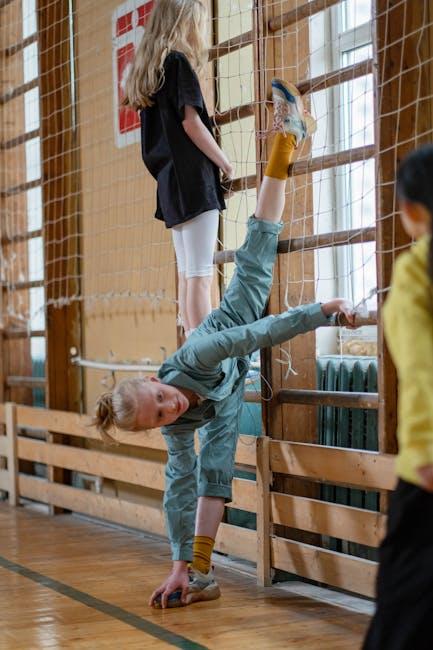
In the serene atmosphere of a yoga class, children find an environment where they can explore and express their feelings without judgment. Yoga encourages self-awareness and mindfulness, allowing kids to identify and articulate their emotions. By practicing poses and breathing techniques, they learn to manage overwhelming feelings like anger, anxiety, or sadness. This emotional intelligence is fostered through a variety of activities:
- Breathing exercises that help in calming the mind and reducing stress.
- Mindful movement to channel energy positively and improve focus.
- Guided visualization to nurture imagination and soothe anxious thoughts.
Each session becomes a journey towards emotional resilience, where children gain tools to navigate life’s ups and downs with confidence. The practice of yoga thus serves as a gentle guide, helping young ones understand and embrace their emotional landscape.

Practical Yoga Exercises for Managing Intense Feelings
Incorporating yoga into a child’s routine can be a gentle yet effective way to help them manage overwhelming emotions. By focusing on breathing and movement, children learn to channel their feelings into physical expression, promoting both emotional balance and self-awareness. Here are some practical yoga exercises that can be particularly beneficial:
- Butterfly Pose: This simple pose helps kids feel grounded and calm. Sitting with the soles of their feet touching, they can gently flap their knees like butterfly wings, which encourages relaxation and mindfulness.
- Tree Pose: Balancing on one leg like a tree swaying in the wind helps children develop concentration and stability. It’s a fun way to foster inner strength and poise.
- Child’s Pose: A soothing posture that allows kids to curl up like a resting child. This pose provides a safe space for them to retreat inward, offering a moment of peace and reflection.
- Lion’s Breath: This breathing exercise allows kids to release tension by roaring like a lion, which can be both empowering and liberating. It’s a playful way to express and let go of intense feelings.
Encouraging children to practice these exercises regularly can help them navigate the ups and downs of their emotional landscape, transforming big feelings into opportunities for growth and self-discovery.
The Way Forward
As we close the chapter on exploring how yoga can be a gentle guide for children through the labyrinth of their emotions, we are reminded of the profound simplicity and power that lies within a mindful breath and a moment of stillness. Yoga offers a sanctuary where young minds can learn to balance on the tightrope of their feelings, embracing both the serene and the stormy with equal grace. While the journey is uniquely personal for each child, the tools of yoga—patience, presence, and playfulness—equip them with the resilience to face life’s emotional ebbs and flows. As the final pose is struck and the last breath is drawn, we leave with the understanding that yoga is not just a practice but a lifelong companion, guiding our children towards a horizon of emotional intelligence and well-being.