

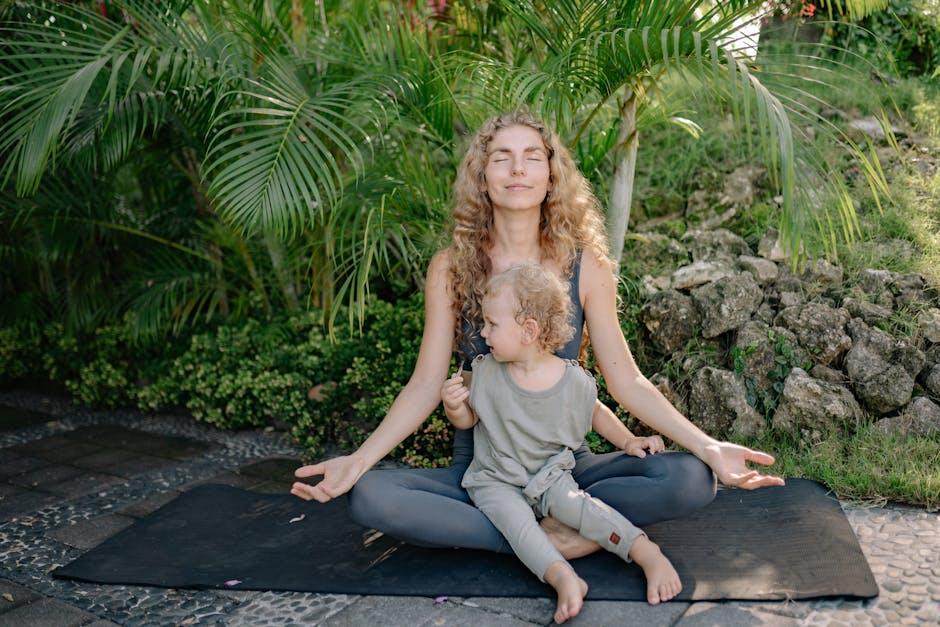
In a world where children are often caught in the whirlwind of expectations and distractions, finding a moment of calm can seem like a distant dream. Yet, nestled within the ancient practice of yoga lies a powerful tool that can transform this dream into reality: mindfulness. As more parents and educators turn to yoga to nurture young minds, an intriguing discovery emerges—mindfulness in yoga not only brings tranquility but also cultivates a robust sense of self-esteem in children. This article explores the subtle yet profound ways in which mindfulness practices, woven seamlessly into yoga, empower kids to embrace their uniqueness, foster resilience, and navigate the complexities of growing up with confidence. Join us as we delve into the intersection of mindfulness, yoga, and the blossoming of self-worth in the hearts of the youngest generation.
Mindful Movements: Nurturing Confidence in Young Yogis
Incorporating mindfulness into yoga practice for children can be a transformative experience, enhancing their self-esteem in a multitude of ways. Mindful movements encourage kids to connect with their bodies, promoting a sense of awareness and appreciation for their unique capabilities. This practice not only fosters a positive self-image but also instills a sense of calm and focus, which can be particularly beneficial in today’s fast-paced world. As young yogis learn to navigate through different poses, they gain confidence in their physical abilities and develop a deeper understanding of their emotions.
- Body Awareness: Helps children understand and respect their bodies, boosting self-confidence.
- Emotional Regulation: Teaches kids to manage their emotions, reducing anxiety and enhancing self-esteem.
- Focus and Concentration: Improves attention span, which contributes to academic and social success.
- Empowerment: Encourages children to set and achieve personal goals, fostering a sense of accomplishment.
Through this gentle and nurturing practice, children learn to celebrate their small victories, whether it’s mastering a challenging pose or simply enjoying the journey of self-discovery. The integration of mindfulness in yoga not only builds resilience but also nurtures a lifelong appreciation for self-care and self-love.
Breathing Positivity: The Connection Between Yoga and Self-Worth
Children often navigate a world filled with expectations and pressures, which can sometimes chip away at their self-esteem. By incorporating yoga into their daily routine, they can learn to harness the power of mindfulness to build a stronger sense of self-worth. Through a series of gentle poses and breathing exercises, kids learn to focus on the present moment, cultivating an environment where they can thrive emotionally and mentally. This practice not only enhances their flexibility and strength but also nurtures a positive self-image.
- Mindful Breathing: Encourages children to focus on their breath, reducing anxiety and promoting calmness.
- Body Awareness: Teaches kids to appreciate their bodies’ capabilities, fostering a sense of pride and self-acceptance.
- Positive Affirmations: Integrates uplifting phrases into yoga sessions, reinforcing a child’s belief in their own worth.
These elements of yoga work in harmony to help children develop a resilient mindset, empowering them to face challenges with confidence. As they practice regularly, the seeds of positivity sown during yoga can blossom into a lifelong foundation of self-esteem.
Guided Growth: Techniques to Boost Self-Esteem through Yoga
Incorporating mindfulness into yoga practices can significantly enhance children’s self-esteem by fostering a deeper connection between their mind and body. Yoga encourages children to focus on their breath and movements, which helps them become more aware of their capabilities and limitations. This self-awareness leads to a more positive self-image and increased confidence. By practicing mindfulness, children learn to appreciate their uniqueness and strengths, cultivating a nurturing internal dialogue that counters negative thoughts and self-doubt.
- Breathing Exercises: Teach kids to use their breath to center themselves, promoting calmness and reducing anxiety.
- Body Awareness: Encourage them to explore different poses, enhancing their understanding and acceptance of their body’s abilities.
- Positive Affirmations: Integrate affirmations into yoga sessions to reinforce self-love and acceptance.
- Visualization Techniques: Guide children to imagine achieving their goals, building a sense of empowerment.
By embracing these techniques, yoga becomes a powerful tool in helping children build a solid foundation of self-esteem, equipping them with skills that extend beyond the mat and into their daily lives.
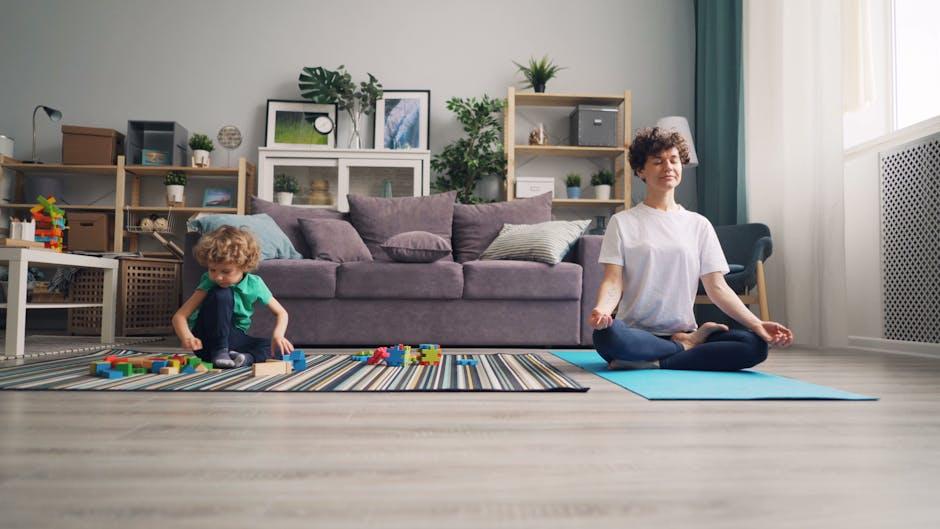
Empowering the Young Mind: Practical Yoga Practices for Kids
Mindfulness in yoga offers a transformative experience for children, helping them build a solid foundation of self-esteem. When kids engage in yoga, they embark on a journey of self-discovery, learning to appreciate their bodies and minds in a non-competitive environment. This practice nurtures a sense of achievement and confidence as children realize their unique abilities and potential. By focusing on the present moment, kids can let go of negative self-talk and embrace a positive self-image. This gentle process fosters resilience and encourages them to face challenges with a calm and confident mindset.
- Breathing Exercises: Simple breathing techniques help children develop focus and awareness, enabling them to manage emotions effectively.
- Balance Poses: Poses like the tree pose encourage kids to find stability, both physically and mentally, boosting their self-confidence.
- Guided Imagery: Imaginative journeys promote creativity and help children visualize success, reinforcing a positive self-concept.
These practical yoga practices empower young minds, equipping them with tools to navigate life’s ups and downs with assurance and grace.