
In the realm of expectant motherhood, where every decision seems to carry the weight of the world, the question of exercise looms large. As the body undergoes its remarkable transformation, the pursuit of physical well-being takes on new dimensions. Enter prenatal yoga—a practice that promises serenity, flexibility, and strength, tailored specifically for the unique needs of pregnancy. Yet, as its popularity surges, a question emerges from the whispers of yoga studios and maternity circles alike: can prenatal yoga truly stand in for regular exercise, or is it merely a gentle complement to the rigors of traditional workouts? This article embarks on a journey to unravel the myths and truths surrounding prenatal yoga, exploring its benefits, limitations, and the role it plays in the holistic tapestry of prenatal health. Whether you’re a seasoned yogi or a curious newcomer, join us as we delve into the heart of this intriguing debate, seeking clarity amid the myriad of poses and postures.
Exploring the Benefits of Prenatal Yoga for Expectant Mothers
While prenatal yoga offers numerous benefits tailored specifically for expectant mothers, it’s important to understand its role in the broader context of physical fitness during pregnancy. Prenatal yoga focuses on enhancing flexibility, strength, and balance, while also promoting relaxation and mindfulness. This practice can be a valuable complement to other forms of exercise, rather than a complete substitute. It helps in reducing pregnancy-related discomforts, improving posture, and preparing the body for labor and delivery.
- Enhances physical comfort by alleviating common pregnancy aches.
- Improves mental well-being through mindfulness and relaxation techniques.
- Supports a better night’s sleep by reducing stress and anxiety.
However, for a well-rounded fitness routine, incorporating cardiovascular activities like walking or swimming is recommended. These exercises can help maintain cardiovascular health and manage weight gain during pregnancy. It’s essential for expectant mothers to consult with healthcare providers to tailor an exercise regimen that safely combines prenatal yoga with other forms of physical activity, ensuring both maternal and fetal health are prioritized.
Comparing Prenatal Yoga and Traditional Exercise Regimens
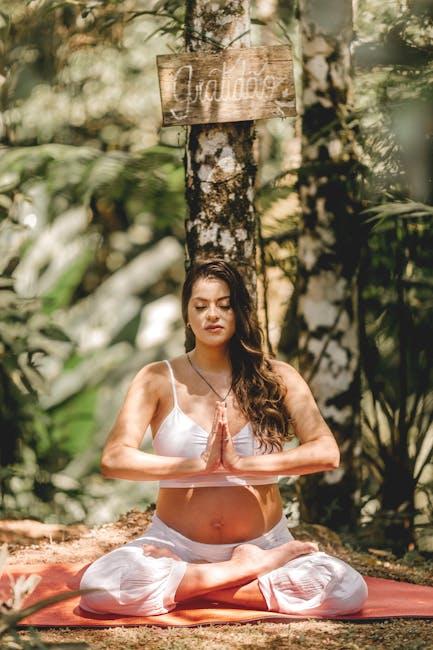
When examining the benefits of prenatal yoga compared to traditional exercise regimens, it’s essential to recognize their distinct contributions to a pregnant individual’s well-being. Prenatal yoga focuses on gentle stretching, breath work, and mindfulness, which can be incredibly beneficial for easing pregnancy-related discomforts such as back pain and swelling. It promotes relaxation and stress reduction, fostering a deeper connection between the mother and her developing baby. On the other hand, traditional exercise regimens like walking, swimming, or low-impact aerobics can enhance cardiovascular health, build stamina, and improve overall physical strength, preparing the body for labor and delivery.
- Prenatal Yoga:
- Enhances flexibility and balance
- Promotes mental calmness and emotional well-being
- Focuses on breath control and relaxation techniques
- Traditional Exercise Regimens:
- Improves cardiovascular fitness
- Strengthens muscles and endurance
- Supports healthy weight management
While both prenatal yoga and traditional exercises offer valuable benefits, they are not necessarily interchangeable. Instead, they can be complementary, allowing pregnant individuals to enjoy a holistic approach to maintaining health and wellness during pregnancy.

Balancing Prenatal Yoga with Other Physical Activities
While prenatal yoga offers a myriad of benefits such as improved flexibility, reduced stress, and enhanced breathing techniques, it’s important to integrate it with other forms of exercise for a well-rounded fitness routine during pregnancy. Many expecting mothers wonder if prenatal yoga can stand alone as their sole form of exercise. The answer often lies in understanding the unique benefits of combining different physical activities.
- Cardiovascular Health: Incorporate gentle walking or swimming to boost cardiovascular health. These activities can complement the calming effects of yoga by enhancing heart function without straining the body.
- Strength Building: Light resistance training or bodyweight exercises can help maintain muscle tone and strength. These exercises support the body as it adapts to pregnancy changes and can be seamlessly integrated with yoga sessions.
- Flexibility and Balance: While yoga excels at improving flexibility and balance, alternating with Pilates can offer additional core strengthening and stability benefits, crucial during pregnancy.
By thoughtfully combining prenatal yoga with other exercises, expectant mothers can enjoy a holistic fitness regimen that nurtures both body and mind, paving the way for a healthier pregnancy journey.
Expert Recommendations on Integrating Prenatal Yoga into Daily Routines
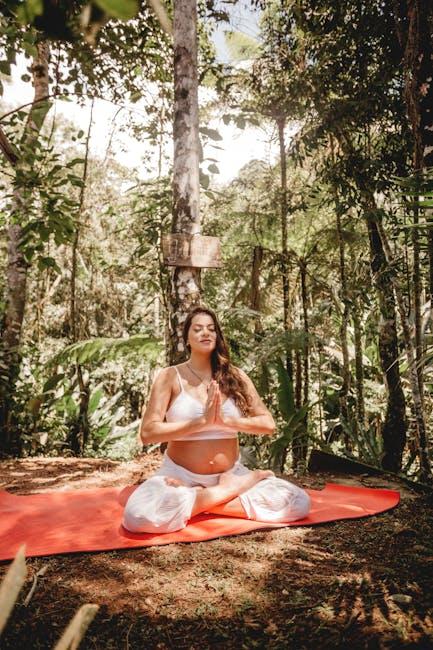
Incorporating prenatal yoga into your daily routine can be a rewarding experience, offering both physical and mental benefits during pregnancy. Experts suggest beginning with short, manageable sessions, gradually increasing the duration as you become more comfortable. Here are some tips to help you seamlessly integrate prenatal yoga into your day:
- Consistency Over Intensity: Aim for short daily sessions rather than infrequent, longer workouts. This helps in building a habit without overwhelming your schedule.
- Designate a Time: Whether it’s morning or evening, choose a time that aligns with your energy levels and personal commitments.
- Mindful Practice: Focus on breathing and relaxation techniques to enhance the mind-body connection, essential during pregnancy.
- Adaptable Space: Create a calming environment at home where you can practice without interruptions, using props like pillows and blocks for support.
Remember, prenatal yoga is not just about physical postures; it’s a holistic approach that prepares you for the journey ahead. Listen to your body, and consult with healthcare professionals to tailor the practice to your unique needs.