


In the quiet moments of anticipation, as a new life begins its journey, the expectant mother embarks on a transformative path of her own. Amidst the gentle hum of growing excitement and the subtle shifts of a changing body, there lies an opportunity to embrace a practice that nurtures both body and spirit—prenatal yoga. This ancient discipline, adapted to meet the unique needs of pregnancy, offers a sanctuary of calm and strength. It is here, on the mat, that mothers-to-be can discover a harmonious blend of movement, breath, and mindfulness, fostering a connection not only with their own evolving selves but also with the life blossoming within. Join us as we explore the myriad benefits of prenatal yoga, illuminating a path to a healthier, more balanced pregnancy experience.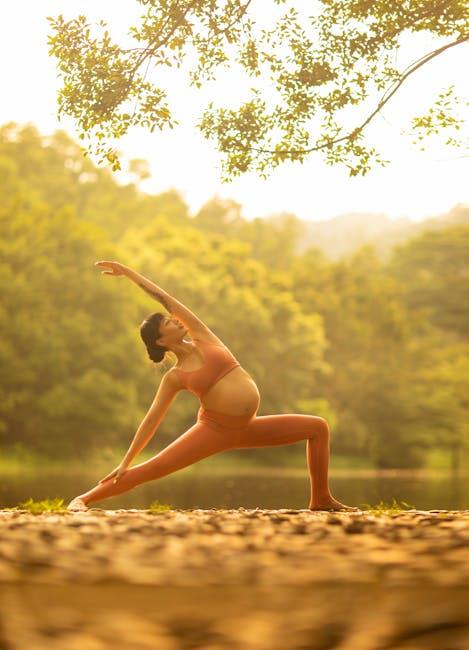
Gentle Movements to Enhance Physical Well-being
Prenatal yoga offers a series of gentle movements designed to nurture the body during pregnancy, promoting physical well-being and emotional balance. These carefully crafted exercises help improve flexibility, strength, and endurance, all essential for supporting the changes your body undergoes. By focusing on gentle stretching and controlled breathing, prenatal yoga can help alleviate common discomforts such as back pain, swollen ankles, and fatigue.
- Improved Flexibility: Gentle poses help maintain muscle elasticity, reducing stiffness and tension.
- Enhanced Relaxation: Breathing techniques foster a sense of calm, helping to manage stress and anxiety.
- Increased Strength: Targeted exercises build stamina and prepare the body for labor and delivery.
Incorporating these mindful movements into your routine not only supports physical health but also fosters a deeper connection with your growing baby. By dedicating time to focus inward, you cultivate a sense of peace and presence, essential for a healthier pregnancy journey.
Mindful Breathing Techniques for Emotional Balance
Incorporating mindful breathing into your prenatal yoga practice can be a powerful tool for maintaining emotional equilibrium during pregnancy. Mindful breathing involves focusing your attention on each inhalation and exhalation, helping to calm the mind and reduce stress. This practice can be particularly beneficial for expecting mothers who may experience fluctuating emotions due to hormonal changes.
- Diaphragmatic Breathing: Engage your diaphragm by breathing deeply into your belly, which can help lower stress levels and promote relaxation.
- 4-7-8 Breathing: Inhale for four counts, hold for seven, and exhale for eight. This technique can ease anxiety and improve sleep quality.
- Alternate Nostril Breathing: Balance your mind and body by alternating your breath between nostrils, enhancing mental clarity and emotional stability.
By integrating these techniques into your routine, you can cultivate a sense of peace and emotional balance, benefiting both you and your baby. Remember, the key is consistency; practice regularly to experience the profound effects of mindful breathing.
Creating a Deeper Connection with Your Baby
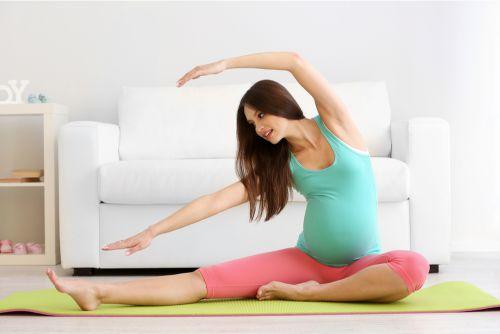
Engaging in prenatal yoga offers an extraordinary opportunity to nurture a bond with your baby before they even enter the world. This gentle practice invites expectant mothers to slow down and tune into the subtle rhythms of their growing child. Through mindful movements and focused breathing, mothers can experience a heightened awareness of their baby’s presence. This enhanced connection can foster a sense of security and love, creating a harmonious environment that benefits both mother and child.
- Mindful Breathing: Deep, conscious breaths can help mothers feel the baby’s movements more acutely, creating moments of shared tranquility.
- Gentle Movements: Yoga poses adapted for pregnancy can help mothers physically feel their baby’s responses, cultivating a deeper awareness of their baby’s growth.
- Emotional Bonding: Practicing yoga provides a space for mothers to reflect on their journey, allowing them to emotionally connect with their baby.
Expert Tips for a Safe and Enjoyable Practice
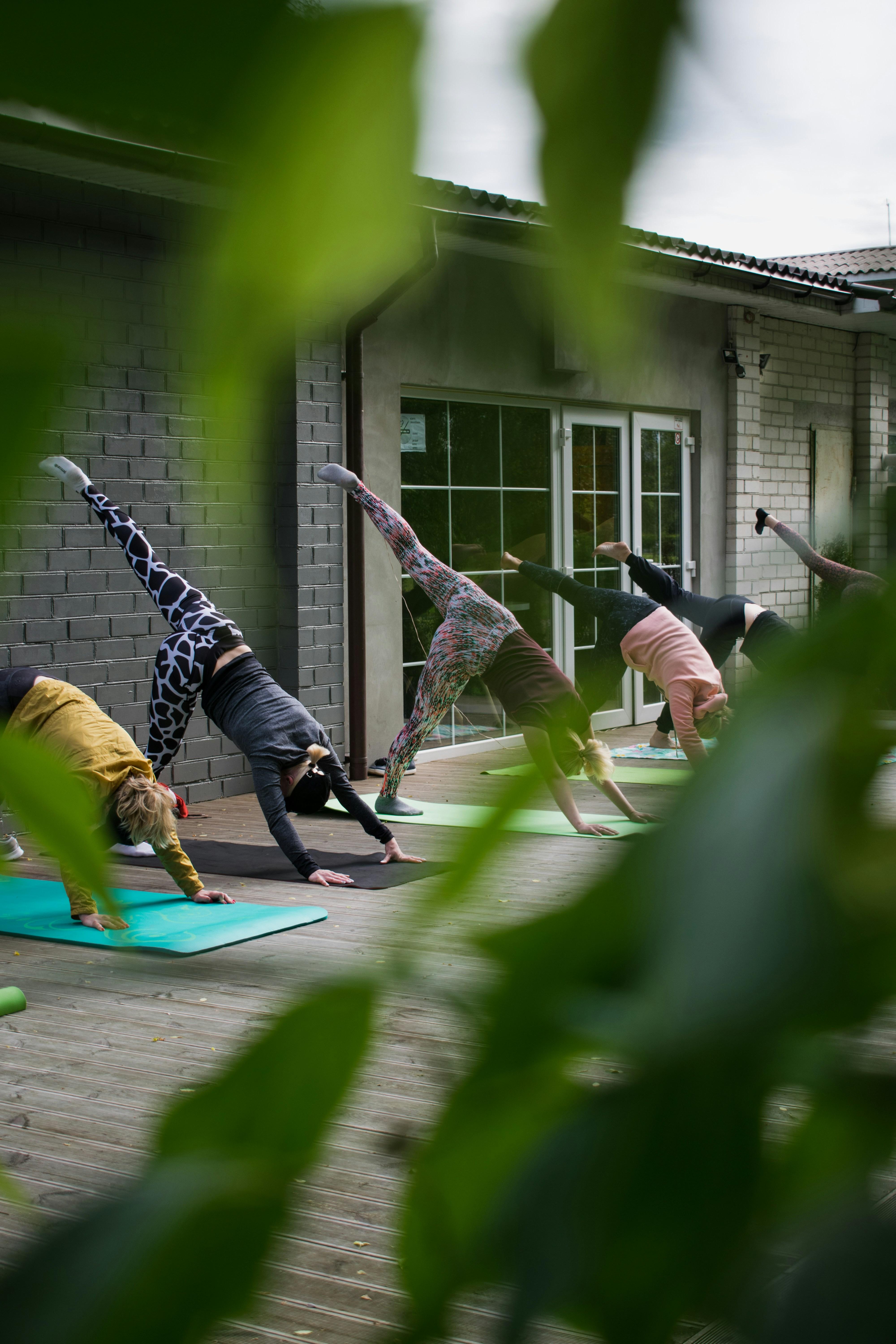
Engaging in prenatal yoga can be a transformative experience during pregnancy, offering numerous benefits for both the mind and body. To ensure a safe and enjoyable practice, consider these expert recommendations:
- Consult Your Healthcare Provider: Before starting any yoga routine, it’s essential to discuss your plans with your healthcare provider to ensure it’s suitable for your individual circumstances.
- Choose the Right Class: Look for classes specifically designed for prenatal yoga. These sessions are tailored to accommodate the changing needs of a pregnant body and are led by instructors trained in prenatal health.
- Listen to Your Body: Your body is your best guide. Pay attention to how you feel during each pose and modify or skip those that cause discomfort.
- Focus on Breathwork: Incorporate deep, mindful breathing techniques to help manage stress and prepare for labor. Breathing exercises can enhance relaxation and improve oxygen flow for both you and your baby.
- Stay Hydrated: Keep a water bottle nearby to stay hydrated, as hydration is crucial for maintaining energy levels and supporting overall health during pregnancy.
By following these tips, you can create a nurturing environment for both you and your baby, maximizing the benefits of your prenatal yoga practice.
Key Takeaways
As we draw the curtain on our exploration of prenatal yoga, it’s clear that this ancient practice offers a gentle yet powerful pathway to a healthier pregnancy. By weaving together breath, movement, and mindfulness, prenatal yoga not only nurtures the body but also fosters a deeper connection between mother and baby. Whether you’re seeking relief from physical discomforts, looking to cultivate mental clarity, or simply yearning for a moment of tranquility amidst the whirlwind of pregnancy, prenatal yoga stands as a steadfast companion. As you embark on this transformative journey, remember that every pose is a step towards embracing the strength and serenity within you. May your path be filled with grace, balance, and boundless joy.