


In the transformative journey of childbirth, where anticipation dances with the unknown, breathing emerges as a powerful ally. As ancient as life itself, the simple act of inhaling and exhaling holds the potential to soothe, empower, and guide mothers through the profound experience of labor and delivery. This article delves into the art and science of breathing exercises, illuminating how rhythmic breaths can offer solace amidst contractions, focus amidst uncertainty, and strength amidst the culmination of creation. Whether you’re a first-time mother or a seasoned parent, discover how harnessing the breath can become a vital part of your birthing toolkit, offering not just oxygen, but a pathway to calm and resilience.
Mastering the Art of Breath Control for Labor
Effective breath control can be a game-changer during labor, offering both physical and emotional support. The rhythm of breathing not only helps manage pain but also promotes relaxation, enabling a smoother progression through the stages of labor. By harnessing the power of breath, you can maintain a sense of calm and focus, which is crucial when navigating the intense sensations of childbirth. Here are some key techniques to consider:
- Slow Breathing: Inhale deeply through your nose, allowing your belly to expand, and exhale slowly through your mouth. This technique helps to oxygenate your body and conserve energy.
- Patterned Breathing: Establish a rhythm by breathing in for a count of four and out for a count of six. This can create a meditative state, helping to distract from discomfort.
- Visualization Breathing: Pair your breaths with visual imagery. Imagine a wave with each inhale and exhale, or picture a flower blooming, which can encourage a positive and serene mindset.
By integrating these techniques, you can transform your breathing into a powerful tool, offering support and empowerment throughout the birthing process.
Techniques to Ease Labor Pains Through Breathing
Breathing can be a powerful ally during labor, offering a sense of control and calm in the midst of intensity. Deep breathing techniques are particularly beneficial, as they help to oxygenate the body and can reduce tension and anxiety. Start by inhaling deeply through your nose, allowing your abdomen to expand fully, and then exhale slowly through your mouth. This type of breathing encourages relaxation and can help you manage contractions more effectively.
In addition to deep breathing, consider practicing rhythmic breathing. This involves finding a natural rhythm that matches your contractions, helping to focus your mind and reduce discomfort. You might find it helpful to breathe in for a count of four and out for a count of six, or any pattern that feels comfortable. Here’s a list of tips to enhance your breathing practice during labor:
- Practice regularly before labor begins to become familiar with the techniques.
- Use visualizations or affirmations to enhance the calming effect.
- Pair breathing with gentle movements, like swaying or rocking, for added comfort.
- Communicate with your birth partner or support team to ensure a calm environment.

Empowering Your Birth Experience with Focused Breathing
Harnessing the power of focused breathing during labor can be transformative. Breathing exercises not only help manage pain but also create a rhythm that supports the natural flow of labor. Here are some ways you can integrate these techniques into your birthing journey:
- Rhythmic Breathing: Breathe in deeply through your nose, allowing your abdomen to expand, then exhale slowly through your mouth. This promotes relaxation and keeps oxygen flowing to you and your baby.
- Paced Breathing: Inhale for a count of four, hold briefly, and exhale for a count of six. This helps maintain focus and reduces stress levels during contractions.
- Visual Breathing: Pair your breath with a calming visualization, such as ocean waves or a gentle breeze. This technique can help you stay centered and grounded.
Integrating these breathing practices can empower you to face each stage of labor with confidence and serenity. By focusing on your breath, you are not only supporting your physical well-being but also nurturing a profound connection with your baby.
Practical Breathing Strategies for a Smoother Delivery
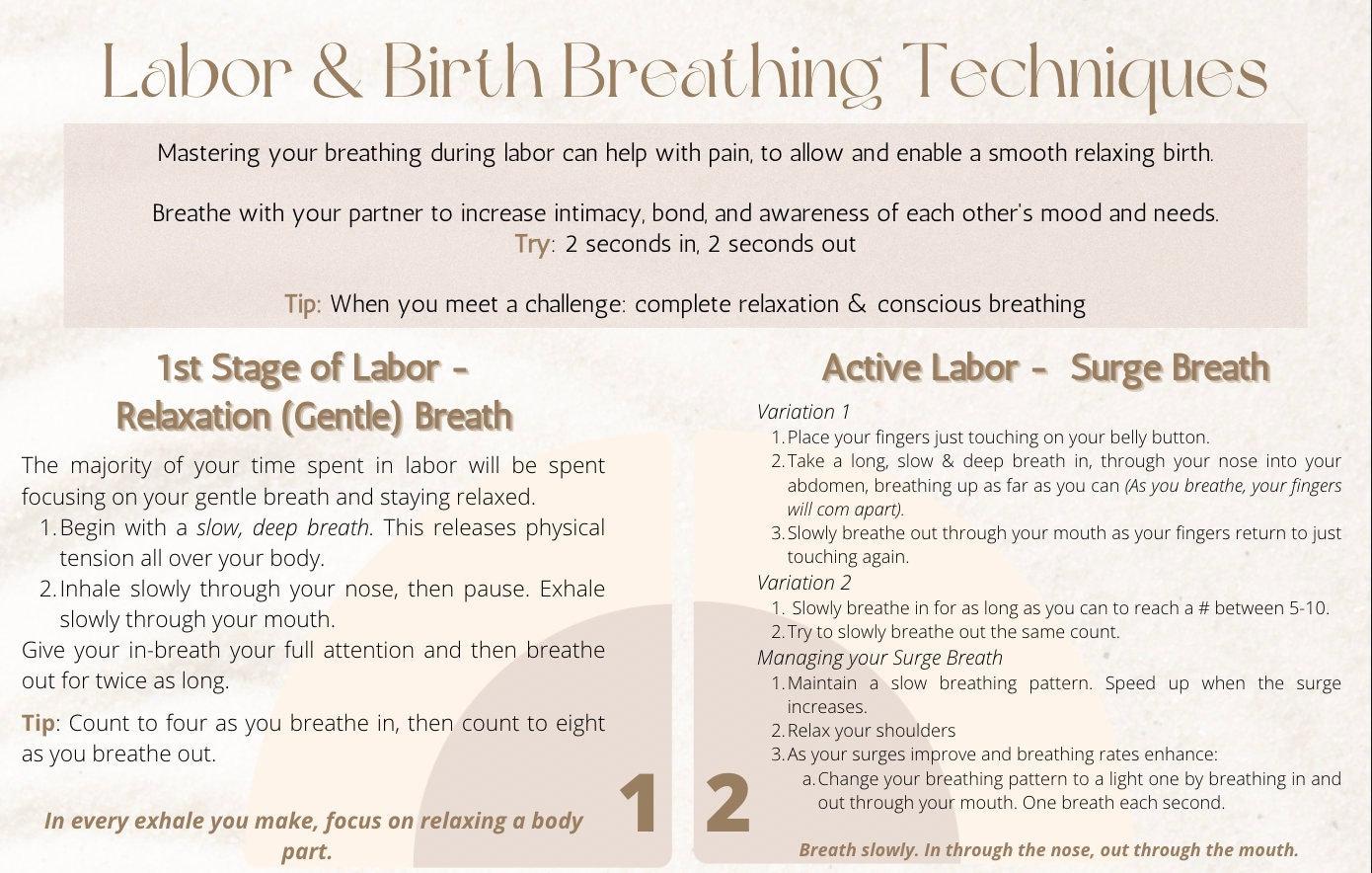
As you prepare for labor and delivery, mastering effective breathing techniques can be a powerful tool in your birthing toolkit. These strategies not only help manage pain but also promote relaxation and ensure a steady supply of oxygen to both you and your baby. Below are some practical breathing exercises to consider:
- Slow Breathing: Start by inhaling deeply through your nose, allowing your abdomen to expand fully. Hold your breath for a moment before exhaling slowly through your mouth. This method can be especially beneficial during early labor to maintain calm and focus.
- Patterned Breathing: Establish a rhythmic pattern by breathing in through your nose for a count of four, holding for a count of four, and then exhaling through your mouth for a count of four. This technique can help synchronize your breathing with contractions, providing a sense of control.
- Light Breathing: As contractions become more intense, switch to lighter, quicker breaths. Inhale gently through your nose and exhale through pursed lips, focusing on keeping each breath short and light. This can prevent hyperventilation and reduce tension.
Integrating these exercises into your routine can make a significant difference during labor. Remember to practice regularly and find the rhythm that feels most natural to you.
Key Takeaways
As we conclude our exploration of breathing exercises for labor and delivery, it’s clear that the power of breath extends far beyond the simple act of inhaling and exhaling. It’s a bridge connecting the mind and body, a tool that can transform anxiety into calm, and a companion that can guide you through one of life’s most profound journeys. Whether you find solace in the rhythmic pattern of deep breathing, the focus of counted breaths, or the release of vocalizations, each technique offers a unique path to empowerment. As you prepare for the arrival of new life, may these exercises serve as a gentle reminder of your innate strength and resilience. Embrace the rhythm of your breath, and let it be your anchor as you navigate the transformative experience of bringing new life into the world.