


In the hustle and bustle of modern life, families are constantly on the lookout for activities that promote health and well-being while fitting into their busy schedules. Yoga, with its deep-rooted history and promise of holistic benefits, has emerged as a popular choice for many. But as families roll out their mats and dive into downward dogs, an intriguing question arises: Is yoga enough for comprehensive family physical fitness? This exploration delves into the multifaceted world of yoga, examining its benefits, limitations, and the role it can play in a family’s journey towards a balanced and healthy lifestyle. By weaving together ancient practices with contemporary needs, we aim to uncover whether yoga can truly stand alone as the cornerstone of family fitness or if it serves best as a complementary thread in the tapestry of physical well-being.
Balancing Flexibility and Strength in Family Fitness
Finding the sweet spot between flexibility and strength is crucial for a well-rounded family fitness routine. While yoga excels in enhancing flexibility and mindfulness, incorporating elements that build strength is equally important. Families can explore complementary activities such as:
- Bodyweight Exercises: Incorporate squats, push-ups, and lunges to build muscle endurance and strength.
- Resistance Training: Use bands or light weights to add variety and challenge to your routine.
- Cardiovascular Activities: Consider biking, swimming, or brisk walking to boost heart health and stamina.
These activities can seamlessly integrate with yoga sessions, offering a holistic approach to fitness that caters to all ages and abilities. By balancing flexibility with strength, families can foster a more resilient and active lifestyle.
Integrating Yoga into a Comprehensive Fitness Routine
Yoga is often celebrated for its ability to enhance flexibility, balance, and mental clarity, making it a valuable component of any fitness regimen. However, for families seeking a well-rounded physical fitness plan, it’s important to consider how yoga fits into the broader picture. Incorporating yoga into a comprehensive routine can offer unique benefits, but it should ideally be complemented with other activities that focus on cardiovascular endurance, muscle strength, and agility.
- Cardiovascular Health: While yoga can improve circulation and promote relaxation, pairing it with aerobic exercises like jogging, cycling, or swimming can enhance heart health and stamina.
- Muscle Strength: Although certain yoga poses can build muscle, incorporating strength training exercises like weight lifting or resistance bands can further develop muscle mass and power.
- Agility and Coordination: Activities such as dance or team sports can complement yoga by improving coordination and reaction times, offering a dynamic range of movement skills.

Addressing the Needs of Different Age Groups Through Yoga
Yoga offers a versatile approach to fitness that can be tailored to meet the diverse needs of family members across different age groups. Children can benefit from playful poses that enhance flexibility and improve concentration, while also fostering a sense of balance and coordination. For teenagers, yoga can serve as a stress-relief tool, helping them navigate the pressures of school and social life with increased resilience and emotional stability.
Adults can harness yoga to maintain physical fitness and mental clarity, addressing issues like stress and sedentary lifestyles. As individuals progress into older adulthood, yoga becomes a gentle form of exercise that aids in maintaining mobility, balance, and joint health. The practice can be adjusted to accommodate varying levels of physical ability, making it accessible for everyone. yoga’s adaptability ensures that it can be a valuable part of a family’s fitness routine, offering unique benefits to each age group.

Practical Tips for Making Yoga a Family Affair
Incorporating yoga into your family’s routine can be both fun and rewarding. Here are some practical tips to ensure everyone enjoys the experience and reaps the benefits:
- Set a Schedule: Consistency is key. Choose a time that works for everyone, whether it’s a morning session to kickstart the day or a relaxing evening practice.
- Create a Dedicated Space: Transform a corner of your home into a serene yoga nook with mats, cushions, and calming decor. This space can become a sanctuary where family members can unwind and connect.
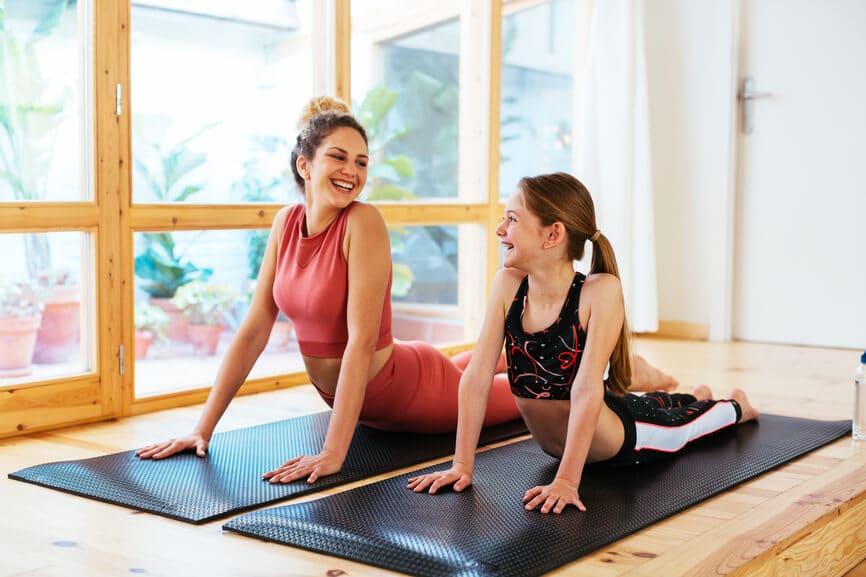
- Include All Ages: Adapt poses to suit various age groups. Kids may enjoy more dynamic movements, while older family members might prefer gentle stretches. Consider adding playful elements for younger children to keep them engaged.
- Use Guided Sessions: Utilize online classes or yoga apps that cater to family sessions. These resources often offer variations in poses and can make the experience more structured and enjoyable.
By embracing these tips, families can cultivate a shared practice that not only enhances physical fitness but also strengthens emotional bonds.