


In the modern tapestry of family life, where threads of tradition and innovation weave together in intricate patterns, yoga emerges as a practice of both ancient roots and contemporary relevance. As families seek activities that nurture both body and mind, yoga presents itself as a harmonious blend of physical exercise and mental tranquility. Yet, nestled within its tranquil poses and rhythmic breaths lies a question that invites contemplation: Is yoga a secular discipline, fostering unity and wellness without spiritual overtones, or does it carry an inherent spiritual essence that beckons participants to explore deeper dimensions of consciousness? This article embarks on a journey to unravel this enigma, examining how families across diverse backgrounds interpret and integrate yoga into their daily lives. Through this exploration, we aim to illuminate whether yoga serves as a universal practice transcending spiritual boundaries or as a spiritual endeavor enriching the familial spirit.
Exploring the Dual Nature of Yoga in Family Life
In the tapestry of family life, yoga can weave together threads of both secular and spiritual elements, offering diverse benefits that cater to different family needs and beliefs. On one hand, yoga serves as a secular practice, focusing on the physical and mental well-being of family members. Its emphasis on breath control, flexibility, and stress reduction provides a holistic approach to maintaining health. Families can enjoy shared experiences through simple poses and exercises, fostering connection and communication.
- Enhances physical fitness for all ages
- Encourages mindful living and presence
- Reduces stress and anxiety through breathing techniques
Conversely, for those inclined towards spirituality, yoga offers a path to deeper introspection and connection with oneself and others. It becomes a shared journey where families can explore concepts of inner peace and universal connection. Whether through meditation, chanting, or reflective discussions, families can integrate these spiritual practices into their daily routines, enriching their collective spiritual journey.
- Facilitates spiritual growth and understanding
- Encourages a sense of community and belonging
- Promotes emotional balance and harmony
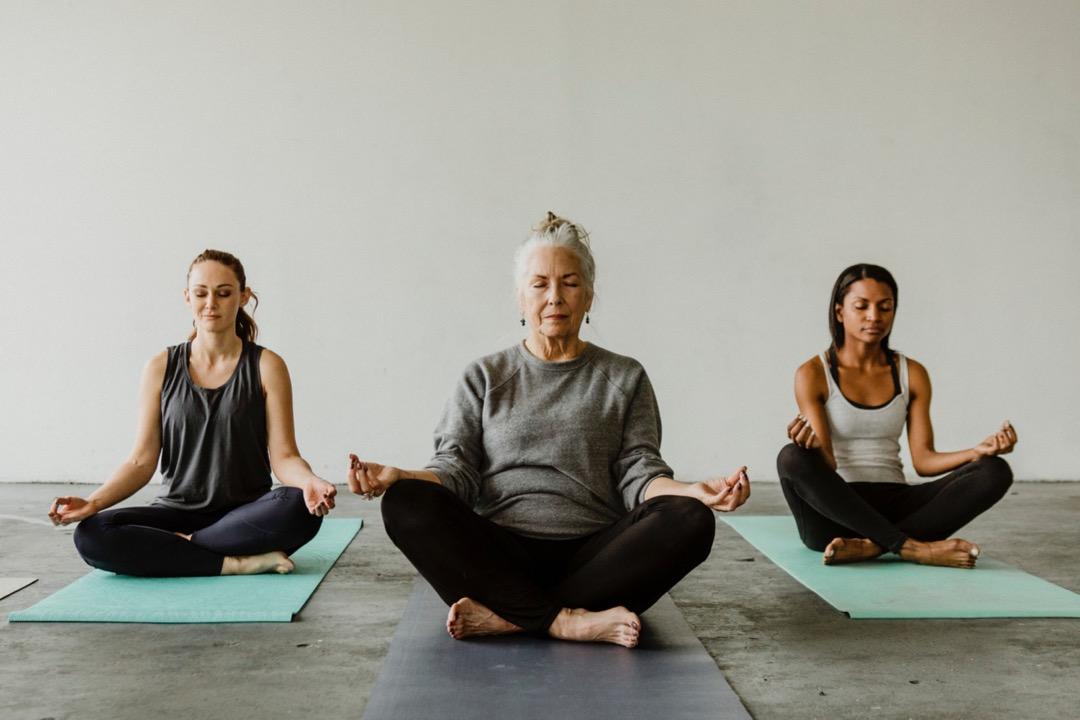
Bridging the Gap: Yoga as a Common Ground for Secular and Spiritual Beliefs
In the modern world, where families often encompass a blend of diverse beliefs, yoga serves as a harmonious bridge between secular and spiritual ideologies. Yoga, with its roots in ancient tradition, has evolved into a versatile practice that caters to various perspectives. For those who lean towards spirituality, yoga can be a pathway to deeper introspection and a connection to a higher consciousness. Meanwhile, individuals who prefer a secular approach may focus on the physical and mental health benefits, using yoga as a tool for stress reduction and physical fitness.
- For spiritual seekers, yoga offers:
- Connection with inner self
- Mindfulness and meditation practices
- Integration of mind, body, and spirit
- For the secular-minded, yoga provides:
- Improved flexibility and strength
- Stress relief and mental clarity
- Enhanced overall well-being
This dual nature of yoga allows it to be embraced by families with varied belief systems, creating a common ground where everyone can participate and benefit. Whether seeking enlightenment or simply a moment of peace, yoga invites families to unite in a shared journey of wellness and discovery.
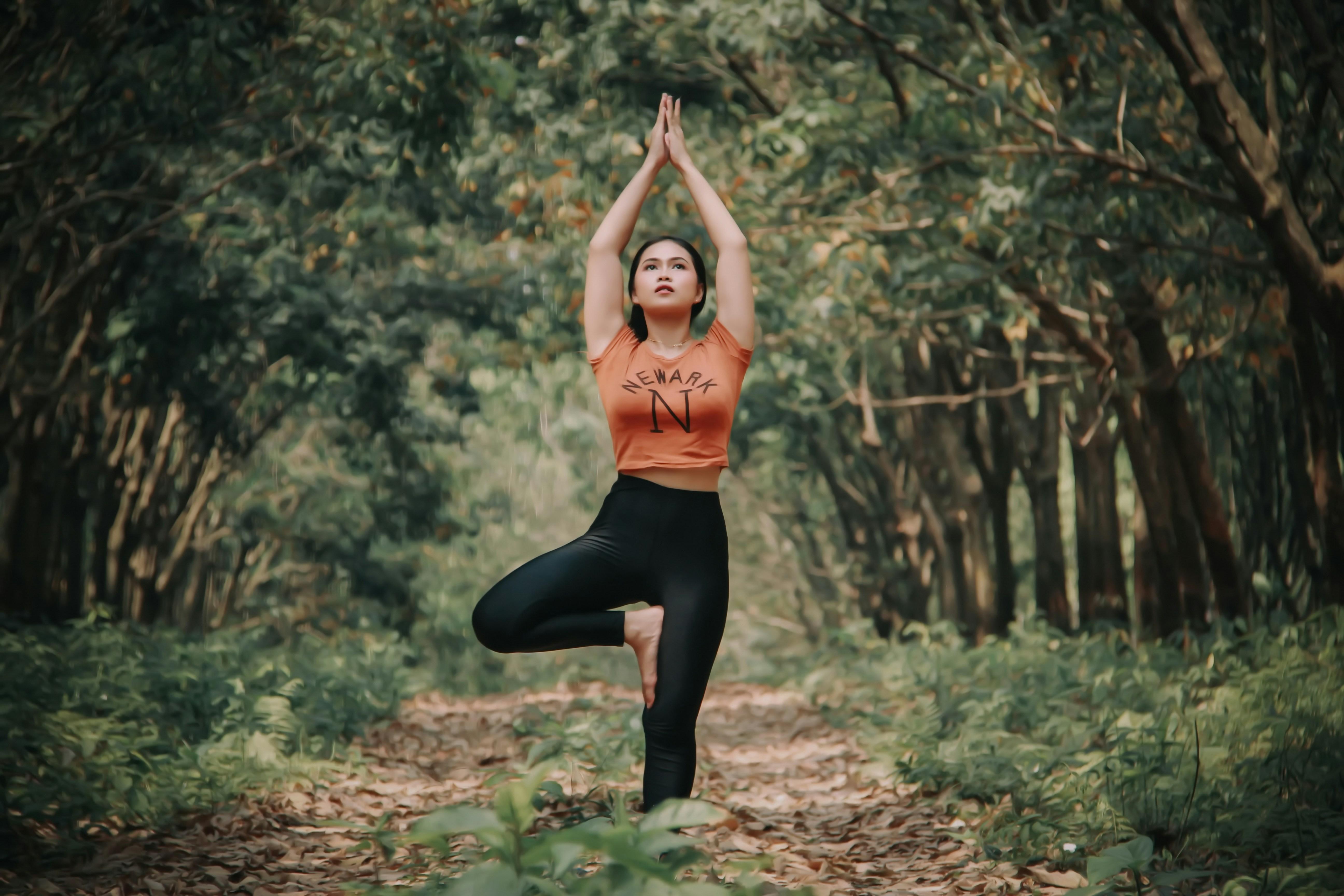
Practical Tips for Integrating Yoga into Diverse Family Routines
Incorporating yoga into family routines can be a harmonious journey, offering both physical and mental benefits. To effectively integrate yoga into diverse family schedules, consider these practical tips:
- Start Small: Initiate with short sessions, perhaps 10-15 minutes, to accommodate the varying attention spans and energy levels of family members.
- Create a Shared Space: Designate a tranquil area in your home where family members can gather for yoga. This dedicated space can foster a sense of community and belonging.
- Encourage Flexibility: Adapt yoga sessions to suit individual needs. Encourage each member to explore different poses and find what resonates with them, ensuring inclusivity and enjoyment.
- Incorporate Playfulness: Especially for families with young children, integrating playful elements like storytelling or animal poses can make sessions more engaging and fun.
- Schedule Consistently: Choose a regular time that fits into everyone’s routine, whether it’s a morning wake-up stretch or a calming evening practice, to build a habit that sticks.
By weaving yoga into the fabric of family life with these strategies, it becomes a versatile practice that can be both secular and spiritual, catering to the unique dynamics and beliefs of each household.

Balancing Act: Navigating Yogas Role in Family Values and Beliefs
In the modern landscape, yoga emerges as a multifaceted discipline that offers a unique intersection between secular and spiritual dimensions, particularly within the family setting. As families embrace yoga, they often encounter a balancing act between maintaining their established values and exploring the philosophical depths yoga presents. This dynamic is further complicated by the diverse interpretations of yoga, ranging from a purely physical practice to a spiritual journey intertwined with ancient philosophies. Families can navigate this terrain by recognizing yoga as a flexible practice that can be adapted to fit their own beliefs and values, ensuring that it enhances rather than conflicts with their lifestyle.
- Adaptability: Yoga can be tailored to fit personal and familial beliefs, whether secular or spiritual.
- Inclusivity: Offers a platform for all family members to participate, regardless of individual belief systems.
- Cultural Exploration: Encourages understanding and appreciation of diverse cultural perspectives.
By approaching yoga with an open mind, families can cultivate a practice that not only respects but also enriches their collective values. This requires ongoing dialogue and willingness to explore yoga’s potential to serve as a bridge, connecting the secular with the spiritual, the individual with the collective. Whether practiced as a form of exercise or as a deeper spiritual practice, yoga provides an opportunity for families to grow together, fostering a shared journey of discovery and harmony.