

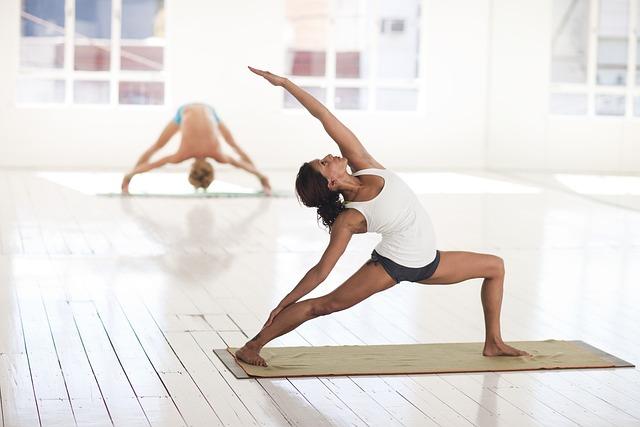
Embarking on the transformative journey of pregnancy, many expectant mothers seek ways to nurture both body and mind in preparation for a natural birth. Prenatal yoga emerges as a gentle yet powerful ally in this process, offering a harmonious blend of physical exercise, mental focus, and spiritual grounding. This ancient practice, tailored to the unique needs of pregnancy, provides not only physical strength and flexibility but also cultivates a deep sense of inner peace and confidence. In this article, we delve into essential prenatal yoga tips designed to support and empower mothers-to-be as they prepare for the profound experience of natural childbirth. Join us as we explore how this mindful practice can enhance your pregnancy journey, offering insights and techniques to help you connect with your body, your baby, and the miracle of birth itself.
Nurturing Your Body: Essential Prenatal Yoga Poses for a Smooth Delivery
Engaging in prenatal yoga can be an empowering journey that helps you connect with your body and prepare for a natural birth. Incorporating specific poses into your routine can facilitate a smoother delivery by promoting flexibility, strength, and relaxation. Here are some essential poses to consider:
- Cat-Cow Stretch: This gentle flow between two poses helps to relieve back tension and improve spinal flexibility. It’s particularly beneficial for aligning the baby in an optimal birthing position.
- Goddess Pose: Embrace your inner strength with this empowering squat that opens the hips and strengthens the legs. It can aid in creating space for the baby and enhancing your stamina for labor.
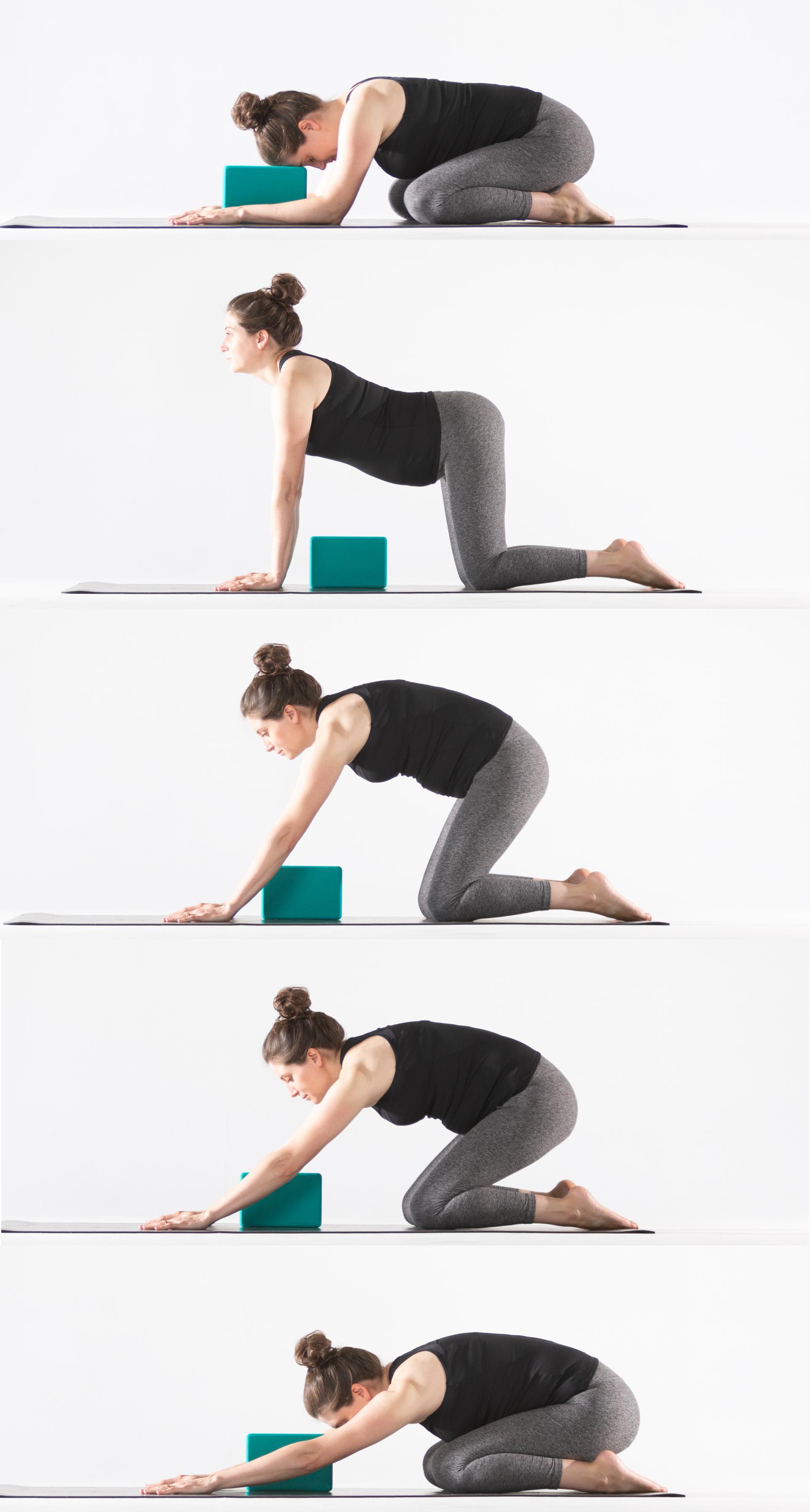
- Child’s Pose: A restorative pose that provides a moment of tranquility, it stretches the lower back and helps calm the mind, fostering a sense of peace and relaxation.
Incorporate these poses into your routine, and remember to listen to your body, modifying as needed to ensure comfort and safety. Consistency is key, so try to practice regularly to fully reap the benefits of prenatal yoga.
Breathing Techniques to Enhance Relaxation and Reduce Labor Stress
Mastering breathing techniques is a cornerstone of prenatal yoga, offering profound benefits in both relaxation and stress reduction during labor. Focused breathing can help you maintain a sense of calm and control, which is essential for managing contractions and conserving energy. Consider incorporating these techniques into your daily routine:
- Ujjayi Breathing: Also known as “victorious breath,” this technique involves inhaling deeply through the nose, filling your lungs completely, and exhaling slowly with a slight constriction at the back of the throat. This creates a soothing ocean-like sound, promoting tranquility and focus.
- Counting Breath: Inhale slowly while counting to four, hold your breath for a count of four, and then exhale gently for a count of six. This method helps in elongating the breath, encouraging relaxation, and grounding your mind.
- Alternate Nostril Breathing: Close your right nostril with your thumb, inhale through your left nostril, then close the left nostril with your ring finger, and exhale through the right nostril. Repeat this cycle several times to balance energy and reduce anxiety.
By integrating these breathing techniques into your prenatal practice, you not only prepare your body for a natural birth but also cultivate a deeper connection with your baby, nurturing both body and spirit as you approach this transformative life event.
Creating a Mind-Body Connection: Meditation Practices for Expecting Mothers
Embracing the journey of pregnancy can be profoundly transformative, and cultivating a mind-body connection through meditation can significantly enhance this experience. For expecting mothers, integrating meditation into your daily routine can aid in creating a peaceful and nurturing environment for both you and your baby. Here are some meditation practices to consider:
- Guided Visualization: Imagine a serene landscape or a soothing color, allowing your mind to drift into a state of relaxation. This can be particularly helpful in managing stress and promoting a sense of calm.
- Breath Awareness: Focus on your breath, inhaling deeply and exhaling slowly. This practice not only calms the nervous system but also prepares your body for the rhythmic breathing essential during labor.
- Mantra Meditation: Choose a word or phrase that resonates with you, repeating it silently during meditation. This technique can help anchor your mind, fostering a sense of stability and focus.
Integrating these practices into your routine can create a harmonious connection between your mind and body, preparing you mentally and physically for the journey of childbirth.

Aligning the Pelvis: Exercises to Promote Optimal Fetal Positioning
Ensuring the pelvis is aligned can significantly aid in creating an optimal environment for the baby to settle into the best position for birth. Incorporating specific exercises into your prenatal routine can make a substantial difference. Here are some recommended practices:
- Cat-Cow Stretch: This gentle flow between two poses warms up the spine and encourages the baby to move into an ideal position. Start on all fours, with wrists under shoulders and knees under hips. Inhale as you arch your back (cow pose), and exhale as you round your spine (cat pose).
- Pelvic Tilts: A simple yet effective exercise to help align the pelvis. While standing or on all fours, gently tilt your pelvis forward and backward, focusing on creating space in the lower back.
- Butterfly Pose: Sitting with the soles of your feet together and knees gently opening to the sides can help open the pelvis and release tension in the hips. Hold the pose, breathing deeply, to encourage relaxation.
- Deep Squats: If comfortable, deep squats can open the pelvis and strengthen the legs. Keep your heels on the ground and your back straight as you lower your hips towards the floor.
Incorporating these exercises regularly, with guidance from a prenatal yoga instructor, can promote a smoother birthing process by encouraging optimal fetal positioning.