

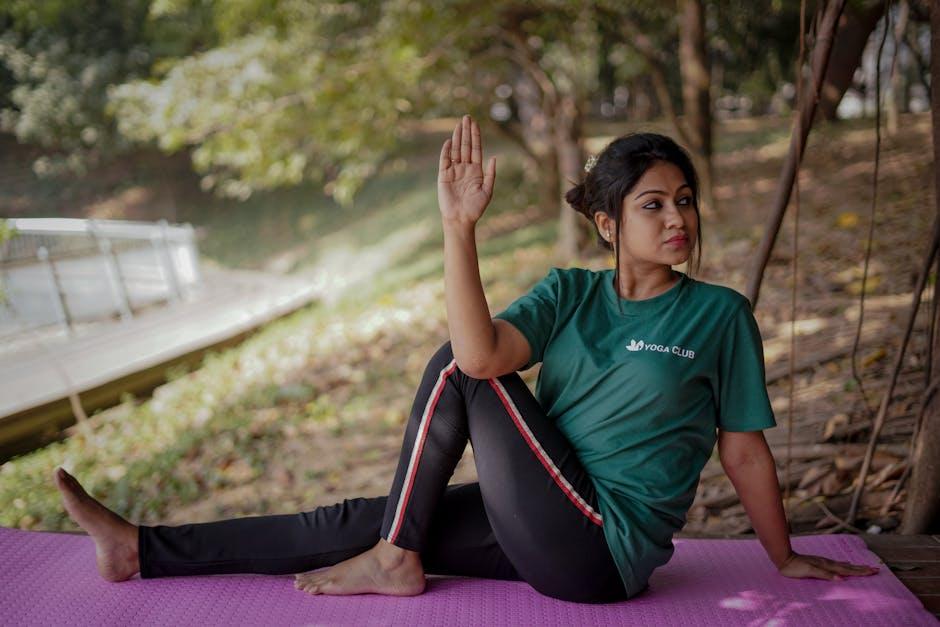
In the tranquil embrace of a yoga studio, where the air is often perfumed with the subtle scent of incense and the gentle hum of a singing bowl reverberates, practitioners seek more than just physical flexibility. Yoga, with its ancient roots entwined in spiritual and ethical teachings, offers a journey inward, promising peace and balance. Yet, as yoga has spread across the globe, morphing and adapting to different cultures and lifestyles, a question arises: Can yoga be practiced purely as a physical discipline, detached from its ethical foundations? This inquiry invites us to explore the essence of yoga beyond the mat, delving into whether its transformative power lies solely in asanas or if it is intrinsically tied to a broader moral framework. In this article, we navigate the intersection of physical practice and ethical commitment, seeking to understand if one can truly exist without the other in the world of yoga.
Exploring the Roots of Yoga: Tradition vs. Modern Practice
When delving into the ancient practice of yoga, it’s essential to recognize the Yamas and Niyamas, ethical guidelines forming the first two limbs of the eightfold path outlined by Patanjali in the Yoga Sutras. These principles serve as a moral compass, guiding practitioners towards a life of harmony and balance. Yet, modern yoga often emphasizes the physical aspects, sometimes at the expense of these foundational ethics. This raises a critical question: can the essence of yoga be truly captured without adhering to its ethical roots?
- Yamas: These are the universal moral codes including non-violence, truthfulness, and non-possessiveness.
- Niyamas: These are personal observances like purity, contentment, and self-discipline.
In contemporary practice, yoga is frequently portrayed as a means to improve physical health and reduce stress, sometimes overlooking its ethical commitments. However, the integration of these principles can deepen one’s practice, offering a more holistic approach to well-being. By embracing both tradition and modernity, practitioners might discover a richer, more meaningful yoga experience.
Ethical Foundations: Do They Enhance or Restrict Yoga Practice
In the realm of yoga, ethical foundations often serve as guiding principles, originating from the ancient teachings of the Yamas and Niyamas in the Yoga Sutras of Patanjali. These ethical precepts, which include non-violence, truthfulness, and contentment, are seen by many as integral to a holistic yoga practice. They offer a framework for living in harmony with oneself and the world, potentially deepening the spiritual experience of yoga. However, some practitioners question whether these ethical commitments enhance or restrict their personal journey.
On one hand, adhering to ethical guidelines can be seen as a pathway to profound personal growth and a more meaningful practice. It can create a sense of discipline and purpose that transcends the physical aspects of yoga. On the other hand, some argue that rigid adherence might limit the freedom and individual expression inherent in yoga. They suggest that the practice should be a personal journey, free from prescribed moral codes. The debate often hinges on whether these ethical commitments are viewed as liberating structures or as constraints that could potentially stifle the evolving nature of personal practice.
- Pros of Ethical Foundations:
- Fosters a sense of community and shared values.
- Encourages holistic growth beyond physical postures.
- Cons of Ethical Foundations:
- May impose limitations on personal expression.
- Could be perceived as outdated in contemporary contexts.

Mindful Movements: Balancing Physical Practice with Ethical Awareness
When we unroll our yoga mats, we often focus on the physical postures and breathing techniques that promise flexibility and calm. Yet, yoga is deeply rooted in a philosophy that goes beyond the body. The question arises: Can we truly engage in this ancient practice without embracing its ethical dimensions? The answer is complex. Yoga’s guiding principles, the Yamas and Niyamas, offer a framework that encourages practitioners to live with integrity, compassion, and self-discipline. These ethical guidelines are not just abstract ideas but are intended to permeate our daily lives, influencing how we interact with ourselves and the world around us.
- Ahimsa – Non-violence towards oneself and others.
- Satya – Commitment to truthfulness.
- Asteya – Non-stealing and respecting others’ time and energy.
- Brahmacharya – Moderation and responsible use of energy.
- Aparigraha – Non-possessiveness and letting go of greed.
While it’s possible to practice yoga solely as a physical exercise, incorporating these ethical commitments enriches the experience, transforming it into a holistic journey of self-discovery and growth. The choice to integrate these principles is personal and can profoundly impact one’s practice, leading to a deeper connection with oneself and the wider community.

Guiding Principles: How to Incorporate Ethics into Your Yoga Routine
Incorporating ethics into your yoga practice can transform it from a mere physical exercise into a holistic journey. To do so, consider integrating the principles of the Yamas and Niyamas, which serve as a guide for ethical living in the yogic tradition. Here are some practical ways to weave these principles into your routine:
- Ahimsa (Non-violence): Approach each pose with kindness to your body. Avoid pushing beyond your limits, and practice patience with yourself and others.
- Satya (Truthfulness): Be honest with yourself about your capabilities and intentions. Acknowledge your strengths and areas for growth without judgment.
- Asteya (Non-stealing): Respect the time and space of others in your yoga class. Ensure your practice does not take away from the peace and focus of those around you.
- Saucha (Purity): Maintain a clean and orderly practice environment. This fosters mental clarity and a sense of calm.
- Santosha (Contentment): Cultivate gratitude for your practice, no matter the challenges. Embrace the journey rather than fixating on the end goal.
By embedding these ethical principles into your practice, you create a mindful and balanced approach to yoga that extends beyond the mat, enriching your everyday life and interactions.