


In the serene embrace of early dawn, where the first light gently kisses the earth, yoga once stood as a profound journey inward, a dance of the soul with the universe. Rooted in ancient traditions, it was a sacred dialogue between body and spirit, a path to enlightenment that transcended the mere physical. Yet, as the world spins ever faster, this age-old practice finds itself at a crossroads. In the bustling studios of urban landscapes and the curated feeds of social media, yoga’s image has transformed, perhaps diluted, into a tapestry of fitness trends and commercial pursuits. Has yoga, in its meteoric rise to global popularity, lost its spiritual essence in modern times? This article delves into the heart of this question, exploring the balance between tradition and transformation, and seeking to understand what yoga truly means in the contemporary world.
Exploring the Commercialization of Yoga
In recent years, yoga has seen a transformation from a sacred practice into a global industry, raising questions about whether it has strayed from its spiritual roots. As yoga studios pop up on every corner and social media influencers post perfectly posed asanas, some practitioners argue that the essence of yoga has been diluted. The commercialization of yoga has brought about a focus on the physical aspects, often sidelining its philosophical and meditative components. With classes often emphasizing fitness over mindfulness, there is a growing concern that yoga’s deeper purpose is being overshadowed by its image as a trendy workout.
- Proliferation of Yoga Products: From designer mats to branded apparel, the market is flooded with products that emphasize style over substance.
- Yoga Teacher Trainings: Certification programs have become a lucrative business, sometimes prioritizing quantity over quality in teaching.
- Online Classes and Apps: While making yoga accessible, they often lack the personal guidance necessary to foster a true understanding of the practice.
However, this evolution has also sparked a renewed interest in exploring the roots of yoga. Many practitioners are seeking to reconnect with its original teachings, incorporating mindfulness and ethical principles into their practice. This duality presents an opportunity for a balanced approach, where the physical and spiritual can coexist, enriching the modern yoga experience.
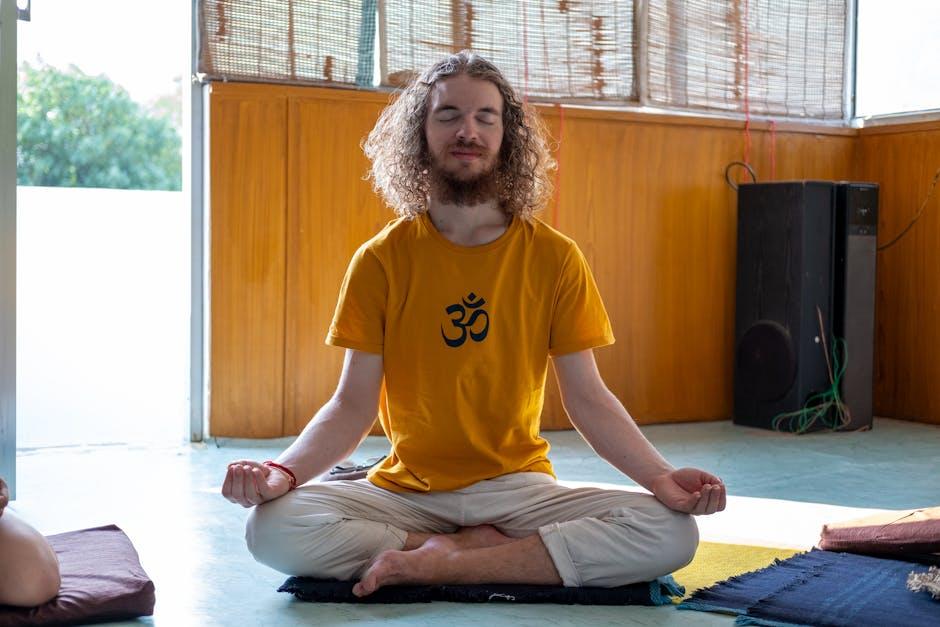
Understanding the Shift from Spirituality to Fitness
In recent years, yoga has undergone a transformation, often prioritizing physical benefits over its spiritual roots. This shift is seen in the proliferation of fitness-focused yoga studios and classes that emphasize flexibility, strength, and core stability. While the practice was traditionally a path to self-discovery and enlightenment, the modern adaptation seems to cater more to body sculpting and well-being.
- Commercialization: The growing market for yoga apparel and accessories has contributed to its image as a trendy workout, sometimes overshadowing its meditative aspects.
- Social Media Influence: Platforms filled with striking yoga poses can inadvertently promote a focus on physical perfection rather than inner peace.
- Cultural Adaptation: As yoga spread globally, it naturally evolved to fit into diverse lifestyles, sometimes at the cost of its original spiritual teachings.
Despite this evolution, many practitioners strive to balance the physical and spiritual, ensuring that the essence of yoga is not entirely lost in translation. As the practice continues to grow, the challenge remains to honor its roots while embracing new interpretations.

The Role of Technology in Yogas Modern Transformation
In recent years, technology has played a pivotal role in reshaping yoga, making it more accessible and varied than ever before. Online platforms and apps have emerged as powerful tools, enabling practitioners to engage with yoga at their own pace and convenience. This digital shift has introduced a plethora of options, from virtual classes with renowned instructors to personalized practice routines. However, the question arises: has this convenience come at a cost to the spiritual core of yoga?
- Virtual Reality Experiences: These offer immersive environments that replicate serene yoga retreats, potentially enhancing focus and relaxation.
- Wearable Technology: Devices that monitor physical performance and breathing patterns provide real-time feedback, helping practitioners refine their techniques.
- Social Media Influence: Platforms like Instagram and YouTube serve as hubs for yoga inspiration and community building, yet they may also prioritize aesthetics over the deeper spiritual aspects.
While technology democratizes access to yoga, it also introduces a commercial element that can overshadow its spiritual roots. Balancing innovation with tradition becomes crucial as we navigate this modern transformation.

Bridging the Gap: Reintegrating Mindfulness into Practice
In an era where the ancient practice of yoga is often distilled into mere physical exercise, there emerges a compelling need to reconnect with its profound spiritual roots. To bridge this gap, practitioners can start by incorporating elements of mindfulness into their routines, ensuring that the practice remains a holistic journey rather than just a physical one. Here are some ways to reintegrate mindfulness into yoga practice:
- Intention Setting: Begin each session by setting a clear intention, focusing on personal growth or emotional healing.
- Breath Awareness: Emphasize deep, conscious breathing to cultivate a meditative state and enhance mental clarity.
- Mantra Meditation: Incorporate mantras to create a rhythmic, spiritual cadence that resonates with inner peace.
- Mindful Transitions: Move between poses with deliberate awareness, paying attention to the subtle shifts in energy and balance.
- Reflective Practice: End sessions with a moment of reflection to internalize the lessons learned and to appreciate the journey inward.
By embracing these mindful practices, yoga can once again become a conduit for spiritual awakening and self-discovery, offering practitioners a path that honors its ancient wisdom while adapting to contemporary life.