


In the serene world of yoga, where balance and mindfulness reign supreme, the question of diet often arises as practitioners seek harmony between body and spirit. Among the myriad dietary choices facing yogis, the consumption of dairy products stands as a particularly intriguing topic. Rooted in ancient traditions yet challenged by modern perspectives, the role of dairy in a yogi’s diet invites a deeper exploration. Is it a source of nourishment that complements the yogic journey, or does it conflict with the principles of ahimsa and holistic well-being? As we delve into the multifaceted relationship between yoga and dairy, we uncover the diverse viewpoints that guide individuals on their personal paths to enlightenment and health. Whether viewed through the lens of tradition, nutrition, or ethics, the question of whether yogis should consume dairy products invites a thoughtful examination of what it truly means to nourish the mind, body, and soul.
Balancing Tradition and Modernity in Yogic Diets
In the ever-evolving landscape of dietary choices, the yogic diet stands at an intriguing intersection of age-old practices and contemporary understandings. Traditionally, dairy products like milk, ghee, and yogurt have been integral to the yogic diet, revered for their nourishing and balancing properties. However, with the rise of veganism and increasing awareness of dietary intolerances, many modern yogis find themselves contemplating the role of dairy in their spiritual and physical nourishment.
For those seeking to harmonize tradition with modernity, the choice of including dairy can be guided by a few considerations:
- Ethical Sourcing: Opt for dairy that is sustainably and ethically sourced, ensuring that the welfare of animals aligns with yogic principles of ahimsa (non-violence).
- Personal Health: Listen to your body. Some individuals may thrive on dairy, while others might experience discomfort or allergies.
- Mindful Consumption: Moderation and mindfulness in consumption can help maintain balance, allowing dairy to be a complement rather than a staple.
Ultimately, the decision to include dairy in a yogic diet is deeply personal and can reflect a harmonious blend of traditional wisdom and contemporary values.

Exploring the Nutritional Impact of Dairy on Yoga Practice
For those who embrace yoga as a holistic lifestyle, the choice of whether to incorporate dairy into their diet is often a topic of personal exploration. Dairy products such as milk, cheese, and yogurt are rich in essential nutrients like calcium, vitamin D, and protein, which are crucial for maintaining bone health and muscle function—key components for a balanced yoga practice. However, the impact of dairy can vary significantly among individuals, with some experiencing digestive discomfort or allergic reactions.
When considering dairy as part of a yogic diet, it’s essential to weigh the potential benefits against personal health responses. Here are a few points to consider:
- Digestive Harmony: Some yogis find that dairy can disrupt their digestive balance, while others incorporate it seamlessly.
- Ethical Considerations: The source of dairy can influence its alignment with yogic principles of ahimsa, or non-violence.
- Nutritional Needs: Evaluate if dairy contributes positively to your dietary requirements and overall wellness goals.
Cultural Perspectives on Dairy Consumption in Yoga
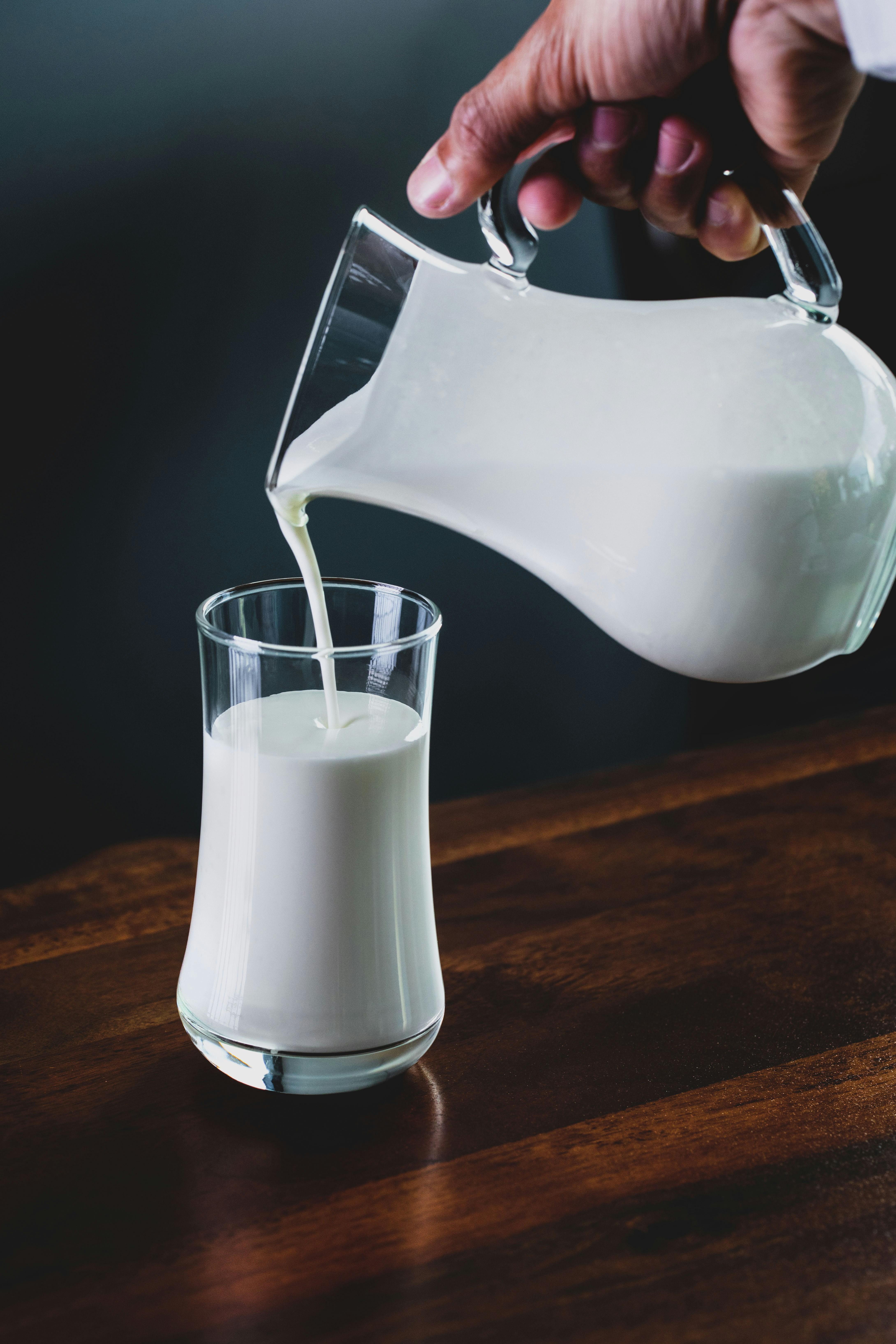
The relationship between yoga and dairy consumption is deeply intertwined with cultural traditions and beliefs. In India, the birthplace of yoga, dairy has historically been a staple in the diet. Many yogis from this region view milk and its derivatives as sattvic foods, which are considered pure and beneficial for the body and mind. These foods are believed to promote calmness, clarity, and spiritual growth. In this context, dairy is often associated with nurturing the physical body and supporting meditation practices.
However, global interpretations of yoga introduce a spectrum of perspectives. As yoga has spread across the world, it has encountered various dietary philosophies. For instance, in the West, the rise of veganism challenges the traditional inclusion of dairy, aligning more closely with ahimsa, the principle of non-violence. Some contemporary yogis believe that abstaining from animal products, including dairy, is a way to practice compassion and minimize harm. These diverse viewpoints are reflected in modern yoga communities, where dietary choices are often influenced by personal beliefs, ethical considerations, and health concerns.
- Traditional Views: Emphasize the sattvic qualities of dairy.
- Modern Interpretations: Include veganism and ethical considerations.
- Global Diversity: Reflects a range of dietary practices influenced by regional cultures.

Personalized Dietary Choices for Yogis: To Dairy or Not to Dairy
For yogis, the decision to include dairy in their diet often stems from a blend of personal health goals, ethical considerations, and spiritual practices. While dairy products have traditionally been revered for their rich calcium and vitamin D content, many modern practitioners are re-evaluating their place in a yogic lifestyle. Some yogis find that consuming dairy can lead to discomfort or digestive issues, prompting them to explore plant-based alternatives. Conversely, others embrace dairy, viewing it as a source of nourishment and balance.
When contemplating whether to incorporate dairy, yogis might consider several factors:
- Digestive Health: How does dairy affect your digestive system? Some individuals may experience bloating or intolerance, while others might find it soothing.
- Ethical Considerations: Are you comfortable with the sources of your dairy products? Opting for organic, grass-fed, or locally sourced options can align with ethical values.
- Spiritual Alignment: Does consuming dairy resonate with your personal spiritual beliefs or practices? This can vary widely among yogis.
- Nutritional Needs: Does dairy meet your nutritional requirements, or do you find alternatives like almond or oat milk more beneficial?
Ultimately, the choice is deeply personal and should reflect a harmonious balance between body, mind, and spirit.